
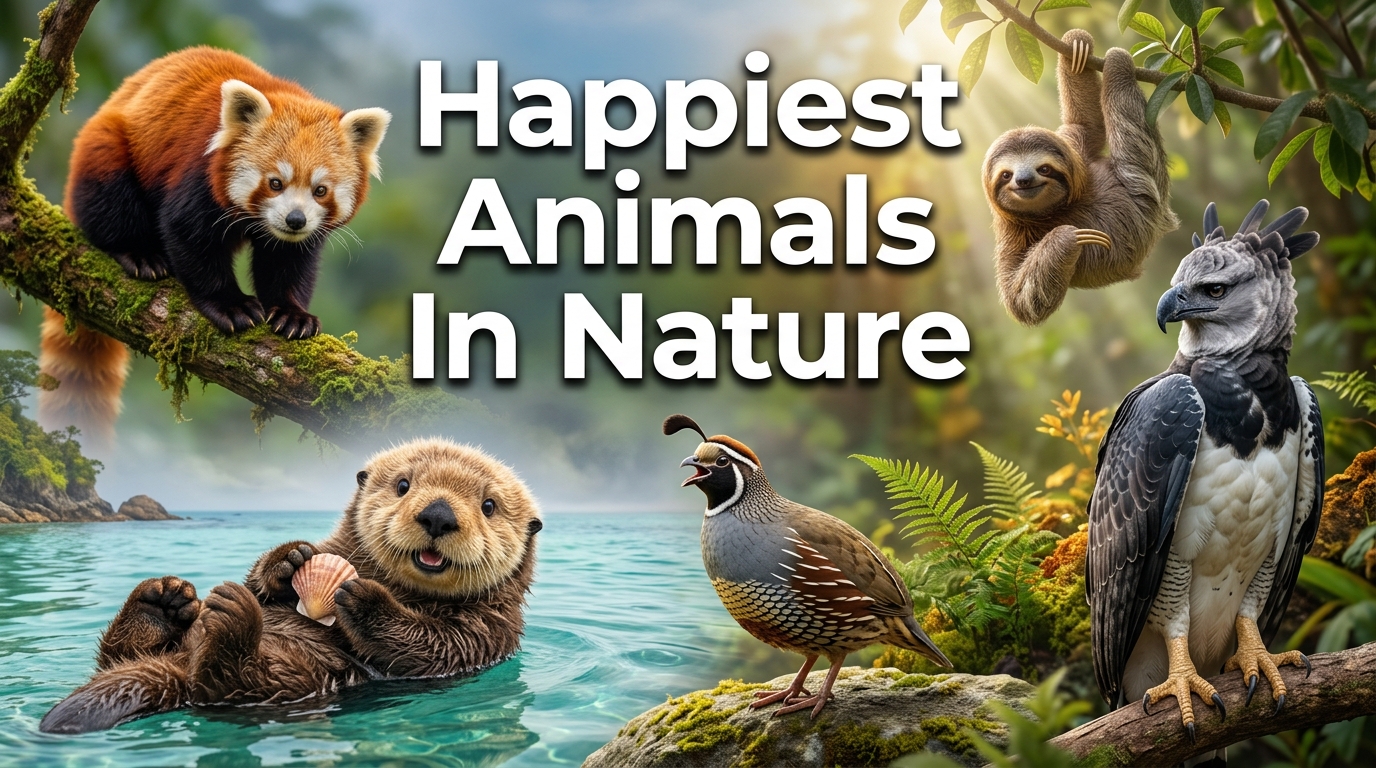
Happiest Animals in Nature: Meet the World’s Most Joyful Creatures
Have you ever looked at an animal’s face and instantly felt happier? Perhaps it was a quokka with its adorable smile, a sea otter floating peacefully on its back, or a dolphin leaping through sparkling ocean waves. Some animals seem to radiate happiness so effortlessly that watching them can brighten even the most ordinary day.
But what makes these creatures so fascinating? Is it their naturally cheerful facial expressions, their playful behavior, or the way they interact with the world around them?
Nature is full of animals that appear remarkably joyful. Some have facial features that resemble human smiles, while others display behaviors associated with play, social bonding, curiosity, and exploration. Although we cannot judge an animal’s emotional state from its face alone, scientific research increasingly shows that many animals experience complex emotional states and engage in activities that appear rewarding to them.
In this article, we’ll meet seven of the happiest-looking animals in nature, explore their fascinating lifestyles, and discover why their charming personalities and behaviors capture our hearts.
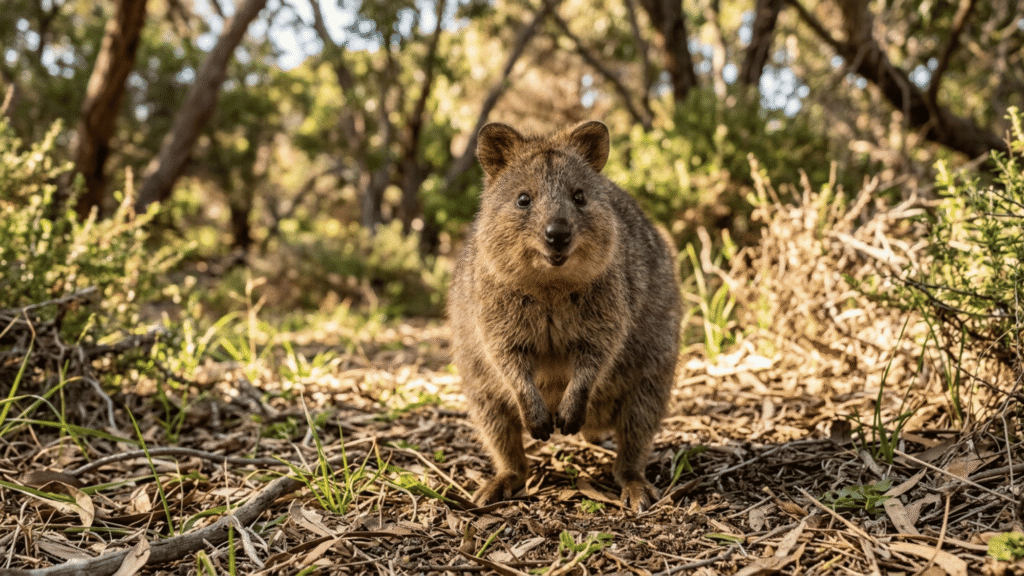
1. Quokka: The Animal Famous for Its Smile
Scientific name: Setonix brachyurus
Where to find them: Rottnest Island and other parts of southwestern Australia.
What makes them special: Their naturally upturned mouths, curious expressions, and relaxed appearance.
<PRIVATE_PERSON> often called the happiest animal in the world, the quokka has become one of nature’s most recognizable internet celebrities. This small marsupial belongs to the kangaroo and wallaby family, yet its round face, compact body, and cheerful-looking expression give it an entirely different charm.
About the size of a domestic cat, quokkas have rounded ears, short legs, and a mouth that naturally curves upward. When their facial muscles relax, they can appear to be smiling directly at the camera.
Their popularity exploded on social media, particularly through photographs taken by visitors to Rottnest Island, where quokkas are relatively easy to observe in suitable areas.
What makes quokkas so fascinating?
Quokkas are mainly nocturnal, meaning they are most active during the evening and night. They spend much of their time searching for grasses, leaves, and other vegetation. During warmer weather, they seek shelter in shaded areas to avoid overheating.
Despite their friendly appearance, quokkas are wild animals rather than domesticated pets. Their apparent comfort around people does not mean they want to be touched or handled.
Fun fact: Quokkas belong to the same broad marsupial family as kangaroos. Like other marsupials, females raise their young in a pouch.
Wildlife reminder: Never feed, touch, or chase a quokka for a photograph. Human food can harm these animals, and approaching them too closely can cause stress. Admiring them from a respectful distance helps keep them safe.

2. Bottlenose Dolphin: The Playful Ocean Acrobat
Scientific name: Tursiops species, including Tursiops truncatus
Where to find them: Coastal waters and open oceans in many parts of the world.
What makes them special: Their curved mouths, impressive intelligence, social relationships, and energetic play.
Bottlenose dolphins are among the most recognizable marine mammals on Earth. Their streamlined bodies, curved mouths, and habit of jumping above the water create the impression that they are always smiling and having fun.
However, a dolphin’s familiar grin is largely the result of its facial anatomy. It does not necessarily reveal whether the animal feels happy, frightened, excited, or uncomfortable.
What makes dolphins especially interesting is their behavior. They are highly intelligent animals that communicate through whistles, clicks, and other sounds. They also use echolocation, producing sound waves that help them locate objects and find prey underwater.
Why are dolphins associated with happiness?
Dolphins frequently display playful behaviors, including surfing waves, leaping out of the water, chasing one another, and manipulating objects. Some have also been observed playing with seaweed and engaging in repeated activities that appear to serve no immediate purpose beyond exploration or play.
They live in complex social environments and can form long-lasting relationships with other dolphins. Their ability to learn, communicate, and adapt to different situations makes them particularly fascinating to researchers.
Fun fact: Dolphins use echolocation to detect objects and prey even when visibility underwater is poor.
A surprising truth: Their cheerful appearance can hide difficult realities. Dolphins face threats from fishing equipment, habitat degradation, pollution, and disturbance from boats. Wild dolphins need space and freedom to behave naturally.
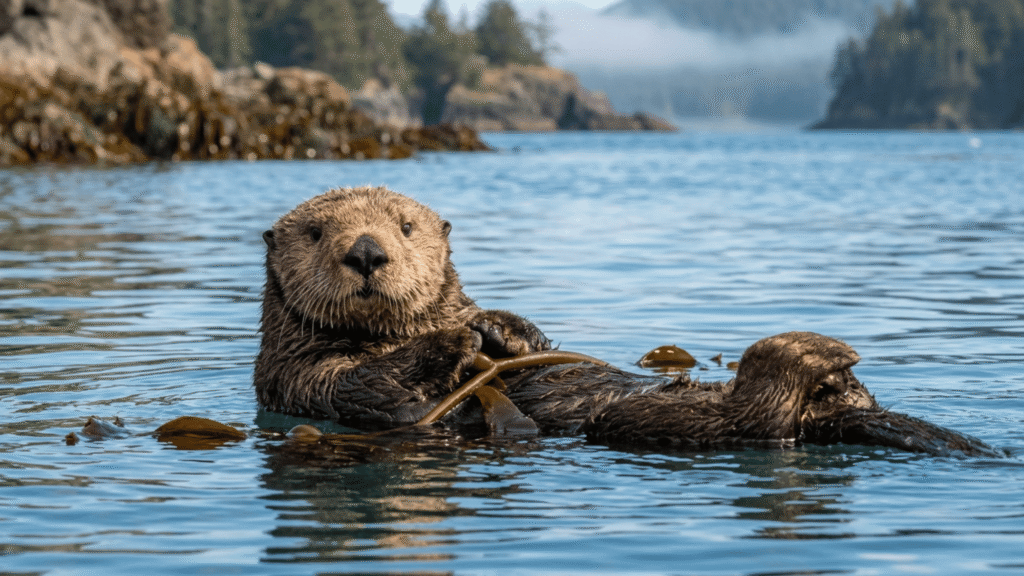
3. Sea Otter: The Cozy-Looking Marine Mammal
Scientific name: Enhydra lutris
Where to find them: Coastal waters of the North Pacific, including areas around Alaska, Canada, and parts of the United States and Russia.
What makes them special: Their playful behavior, expressive whiskered faces, and habit of floating on their backs.
Sea otters look as though they have mastered the art of relaxation. With dense fur, small ears, sensitive whiskers, and round faces, they often appear to be enjoying a peaceful day at the beach.
They frequently float on their backs while eating, grooming, or resting. Some also wrap themselves in kelp, which helps them remain in a particular area instead of drifting away with ocean currents.
Sea otters are highly social in certain settings, and groups resting together are often called rafts.
What makes sea otters so remarkable?
One of the most fascinating features of a sea otter is its ability to use tools. It can use a suitable rock to break open hard-shelled prey such as clams, mussels, and sea urchins.
Some sea otters keep a preferred tool in a loose fold of skin beneath a forearm, making it easier to access during feeding.
Their grooming behavior is equally important. Sea otters depend on their exceptionally dense fur to trap insulating air because they lack the thick layer of blubber found in many other marine mammals. Keeping their coats clean helps them stay warm in cold water.
Fun fact: Sea otters play an important ecological role by eating sea urchins that would otherwise consume large quantities of kelp. In some regions, this helps maintain healthy kelp forest ecosystems.
Why people love them: Watching an otter groom its face, crack open shellfish, or float beside another otter can look wonderfully peaceful. These behaviors are also essential parts of its daily survival.
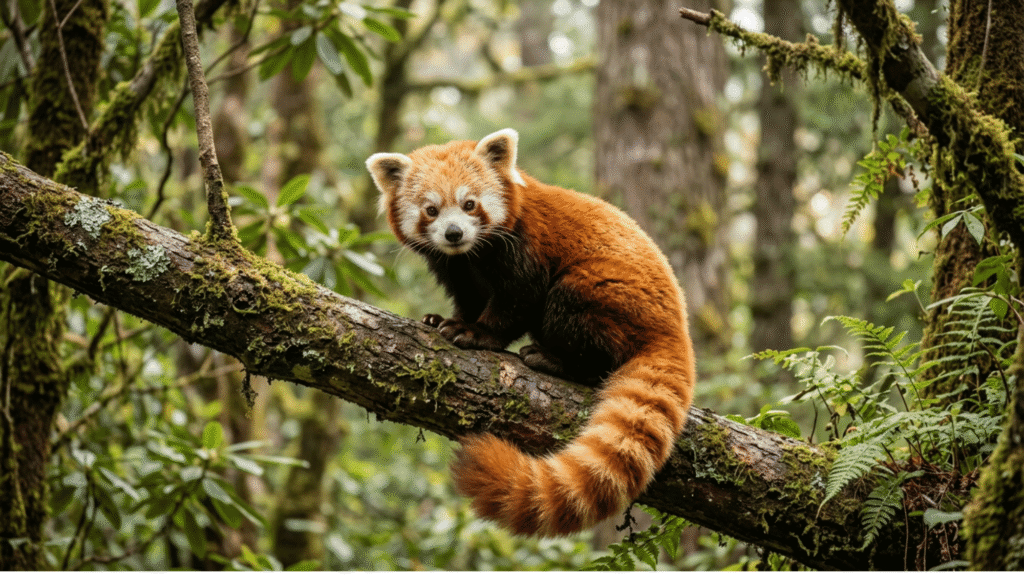
4. Red Panda: The Fluffy Acrobat of the Mountains
Scientific name: Ailurus fulgens
Where to find them: Temperate mountain forests of the eastern Himalayas and southwestern China.
What makes them special: Their reddish fur, ringed tails, rounded faces, and skillful climbing.
With its rusty-red coat, white facial markings, pointed ears, and bushy striped tail, the red panda looks like a character from a storybook. Its expressive face and fluffy appearance make it one of the most charming mammals in the world.
Despite sharing the word “panda” with the giant panda, the red panda belongs to its own distinct family, Ailuridae.
Red pandas spend much of their time in trees, where they climb branches, rest in sheltered spots, and search for food. Their long tails help with balance, particularly as they move through the forest canopy.
What makes red pandas so endearing?
Their movements can be surprisingly playful-looking. They climb carefully, stretch across branches, and sometimes stand upright when threatened. In this defensive posture, they raise their front paws and try to appear larger to discourage potential predators.
Although the pose may look like a cheerful greeting, it is actually a warning or defensive response.
Red pandas primarily eat bamboo, but their diet can also include fruit, roots, eggs, insects, and other small food items depending on availability.
Fun fact: Red pandas have a specialized wrist bone that functions somewhat like an extra thumb, helping them grasp bamboo and other food.
Conservation note: Red pandas are classified as endangered. Habitat loss, forest fragmentation, poaching, and other human pressures threaten their survival. Protecting mountain forests is essential to their future.
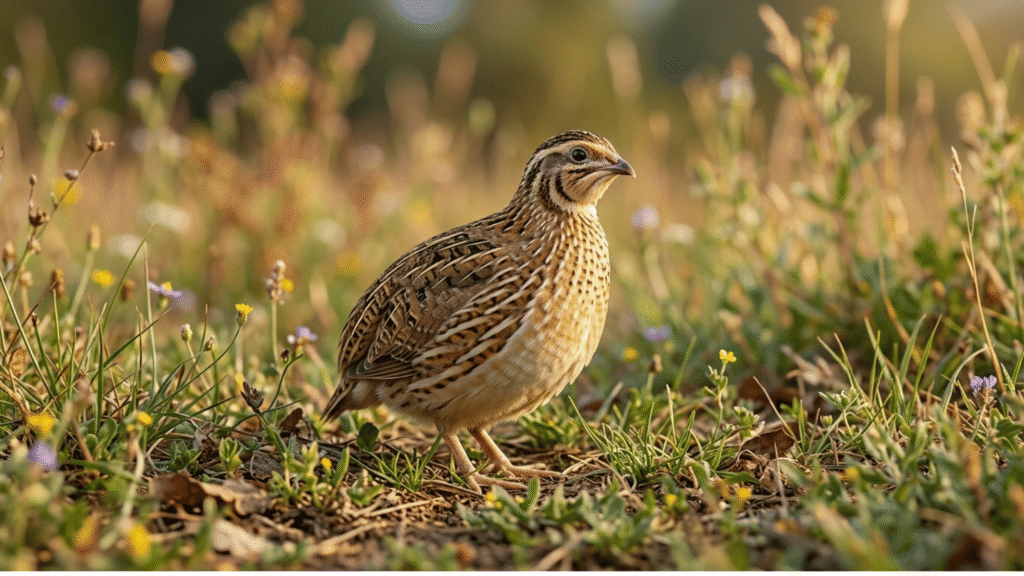
5. Quail: The Energetic Little Ground-Dwelling Bird
Scientific name: Varies by species; the common quail is Coturnix coturnix.
Where to find them: Grasslands, agricultural landscapes, scrublands, and other suitable habitats across parts of Europe, Asia, and Africa, depending on the species.
What makes them special: Their quick movements, soft calls, and lively behavior.
Quails may not have the big eyes or obvious smiles of some mammals, but their energetic personalities can be just as charming. These small, rounded birds often move through vegetation with quick steps, searching the ground for seeds, grains, and insects.
Their mottled feathers help them blend into grass and leaf litter, providing protection from predators. When startled, they may suddenly burst into flight, surprising anyone who has been watching them quietly forage.
What makes quails interesting?
Many quail species communicate through distinctive calls. These sounds can help individuals maintain contact, attract mates, or signal their presence in suitable habitats.
Some species form groups, especially outside the breeding season, while others become more territorial or maintain different social arrangements during nesting.
Quails also engage in dust-bathing. By moving dry soil through their feathers, they help manage dirt, excess oils, and parasites.
Fun fact: The camouflage of many quails is so effective that a bird can be surprisingly difficult to spot even when it is standing only a short distance away.
Why they seem happy: Their quick little steps, soft calls, and active foraging make them look busy and full of energy. Although their behavior should not automatically be interpreted as happiness, their natural activities offer a delightful glimpse into the lives of small wild birds.
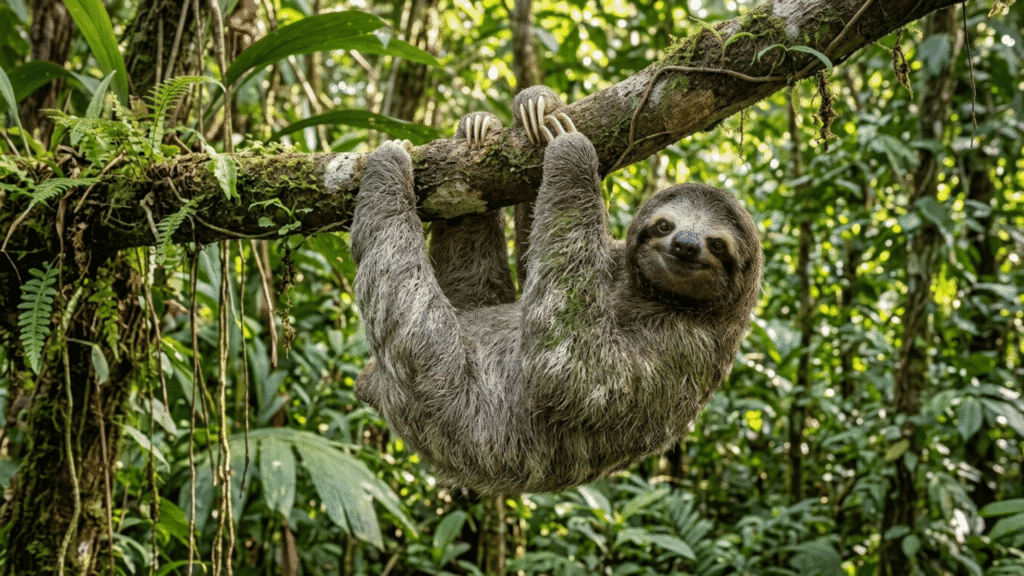
6. Sloth: The Gentle Expert in Slow Living
Scientific group: Three-toed sloths belong to the genus Bradypus.
Where to find them: Tropical forests of Central and South America.
What makes them special: Their slow movements, curved mouths, long limbs, and peaceful-looking expressions.
If any animal appears to have discovered the secret to taking life slowly, it is the sloth. Often seen hanging upside down from tree branches, sloths move with deliberate, economical motions that seem almost meditative.
Their facial features, including their mouth shape and the markings around their eyes in some species, can make them appear to wear a gentle smile.
Yet a sloth’s relaxed expression does not tell us exactly how it feels. Its slow movements are primarily adaptations to a specialized lifestyle, not evidence that it experiences less stress than other animals.
Why do sloths move so slowly?
Sloths have low metabolic rates and spend much of their time resting. Their diet, particularly for leaf-eating species, provides relatively limited energy, so moving slowly helps them conserve resources.
Their long, curved claws allow them to hang securely from branches, and their fur supports a remarkable miniature ecosystem of algae and other organisms. The greenish tint that sometimes develops in their coats can improve camouflage among rainforest leaves.
Sloths do not spend every moment sleeping, however. They feed, groom themselves, interact with other sloths, and occasionally descend to the ground.
Fun fact: Sloths are excellent climbers and are also capable swimmers. Their long limbs help them move through water when necessary.
Why people love them: Their unhurried movements offer a refreshing contrast to the fast pace of modern life. They remind us that different animals thrive through very different strategies.
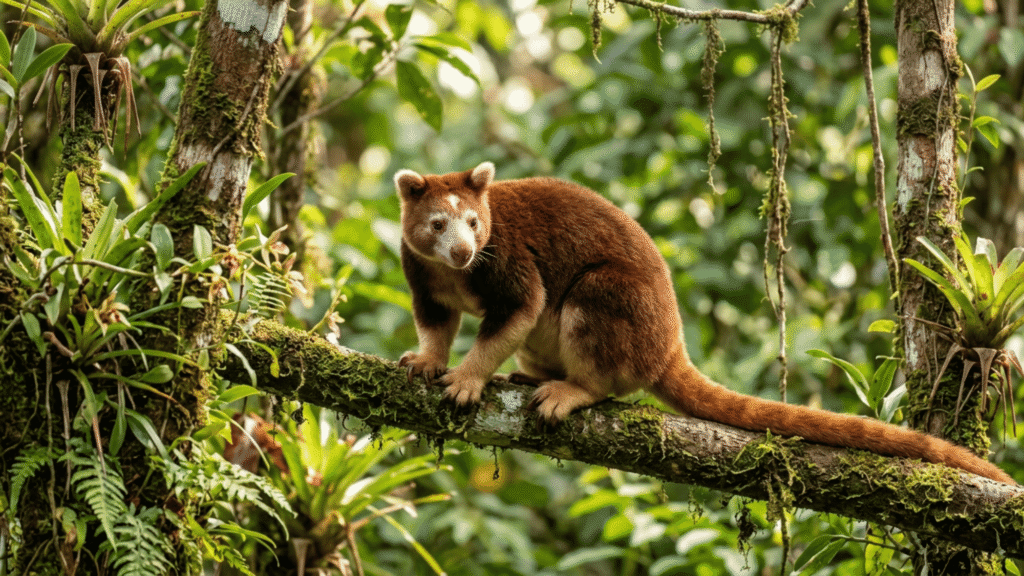
7. Tree Kangaroo: The Gentle Climber of the Rainforest
Scientific group: Tree kangaroos belong to the genus Dendrolagus.
Where to find them: Rainforests of New Guinea and northeastern Australia, depending on the species.
What makes them special: Their soft fur, powerful limbs, long tails, and remarkable ability to move among trees.
Kangaroos are usually associated with open grasslands, but tree kangaroos have adapted to life in the forest canopy. These unusual marsupials climb trunks, move along branches, and search for leaves and other plant foods in their treetop habitat.
Their rounded faces, large eyes, and thick coats give them a gentle appearance. When resting on a branch or carefully reaching for leaves, they can look remarkably calm and content.
How do tree kangaroos live in the trees?
Unlike their ground-dwelling relatives, tree kangaroos have adaptations suited to climbing. Their strong forelimbs, flexible joints, and long tails help them balance and maneuver through branches.
They can move both upward and downward along tree trunks and are capable of making impressive leaps between suitable surfaces. Their diet varies by species but can include leaves, fruits, flowers, and other plant material.
Tree kangaroos spend much of their lives in forest environments, where dense vegetation provides food and shelter.
Fun fact: Tree kangaroos demonstrate how evolution can transform a familiar body plan. Their ancestors were ground-dwelling marsupials, but their descendants developed adaptations for an arboreal lifestyle.
Conservation note: Several tree kangaroo species face serious threats from habitat loss, hunting, and forest fragmentation. Protecting tropical forests is essential for their long-term survival.
Why Do These Animals Make Us Feel So Happy?
A photograph of a smiling quokka or a floating sea otter can brighten someone’s mood in seconds. But why do humans find certain animals so appealing?
The answer involves a combination of psychology, biology, personal experience, and the way we interpret facial expressions and behavior.
1. We Respond to Cute Facial Features
Many people are naturally drawn to features such as large eyes, rounded faces, small noses, and soft-looking bodies. Researchers often discuss these traits through the concept of baby schema, which describes characteristics that can trigger caregiving and affectionate responses in humans.
Quokkas, red pandas, and sloths possess some features that resemble these familiar cues. As a result, people may experience an immediate sense of warmth or affection when looking at them.
2. Playful Behavior Captures Our Attention
Animals that chase one another, explore their surroundings, jump through water, or interact with objects can be fascinating to watch.
Play occurs in many animal groups, particularly among mammals and some birds. Depending on the species and circumstances, it can help animals practice skills, develop coordination, explore their environment, or strengthen social relationships.
Watching dolphins leap through waves or otters manipulate objects can make nature seem lively and entertaining.
3. We Often Interpret Animal Faces Like Human Faces
Humans are exceptionally skilled at recognizing facial patterns, but this ability can sometimes lead us to assign human emotions to animals too quickly.
A dolphin’s curved mouth does not necessarily mean it is smiling with happiness. A sloth’s relaxed face does not prove it feels peaceful, and a quokka’s famous expression does not reveal its emotional state.
Scientists study animal emotions through multiple kinds of evidence, including behavior, physiology, social interactions, and responses to positive or negative experiences. A single photograph cannot provide the whole picture.
4. Watching Animals Can Improve Our Mood
Research suggests that observing nature and interacting appropriately with animals can support emotional well-being for many people. Wildlife photographs and videos may offer a brief mental break, encourage curiosity, or inspire a greater appreciation of the natural world.
However, the effects vary between individuals, and no particular animal image guarantees a specific chemical response or emotional outcome.
5. Their Lives Remind Us of Nature’s Diversity
Each animal has a different way of surviving and thriving. Quokkas forage at night, sea otters use tools, red pandas navigate mountain forests, and sloths conserve energy through slow movement.
Their lives show that there is no single way to exist in the natural world. What appears charming to us often reflects a fascinating adaptation that has helped a species survive.
Are These Really the Happiest Animals in the World?
The animals in this list are among the world’s most charming and happiest-looking creatures, but there is no scientifically established ranking of the happiest animal species.
A permanent smile, playful movement, or relaxed posture cannot independently establish how an animal feels. Emotional experiences differ among species, and researchers must consider more than outward appearance when investigating animal welfare and emotions.
Many animals demonstrate behaviors consistent with positive experiences, including play, social bonding, exploration, and seeking rewarding activities. At the same time, even a playful animal can experience fear, hunger, discomfort, or stress.
The most accurate way to describe these species is that they are some of nature’s most joyful-looking and behaviorally fascinating animals, rather than claiming that they are definitively happier than every other species.
How Can We Help These Charming Animals?
Admiring wildlife is even more rewarding when we help protect it. Many of the animals that bring people joy face threats from habitat destruction, pollution, climate change, hunting, or human disturbance.
Here are a few ways to make a positive difference:
- Observe wildlife responsibly. Keep a respectful distance and avoid touching, chasing, or cornering wild animals.
- Never feed wild animals without expert guidance. Human food can harm their health and change their natural behavior.
- Protect natural habitats. Support credible conservation organizations working to preserve forests, oceans, wetlands, and grasslands.
- Choose responsible wildlife tourism. Avoid attractions that allow visitors to handle, ride, or harass wild animals.
- Share accurate wildlife information. Explain animal behavior responsibly instead of assuming that every smiling face represents happiness.
- Reduce pollution. Limit unnecessary plastic waste and dispose of rubbish properly, particularly near rivers, beaches, and natural habitats.
Small, thoughtful choices can help ensure that future generations can continue discovering these remarkable creatures in the wild.
Final Thoughts: Nature’s Little Reminders to Smile
From the famously smiling quokka to the playful bottlenose dolphin, the cozy-looking sea otter, and the slow-moving sloth, nature offers countless animals that can make us pause and smile.
Their appeal goes far beyond their adorable appearances. Each species has distinctive behaviors, specialized adaptations, and an important place within its ecosystem. Some explore through play, others maintain complex social relationships, and many survive through remarkable strategies that are easy to overlook at first glance.
Although we cannot measure happiness simply by looking at an animal’s face, we can appreciate the behaviors that make these creatures so fascinating. Their lives invite us to become more curious about the natural world and more thoughtful about our responsibility to protect it.
The next time you see a quokka’s famous grin, an otter floating on its back, or a red panda climbing through the trees, take a moment to appreciate more than its cuteness. Behind every charming expression is a living animal with its own needs, instincts, challenges, and remarkable story.
Nature doesn’t need to smile like a human to make us smile, too.




4