
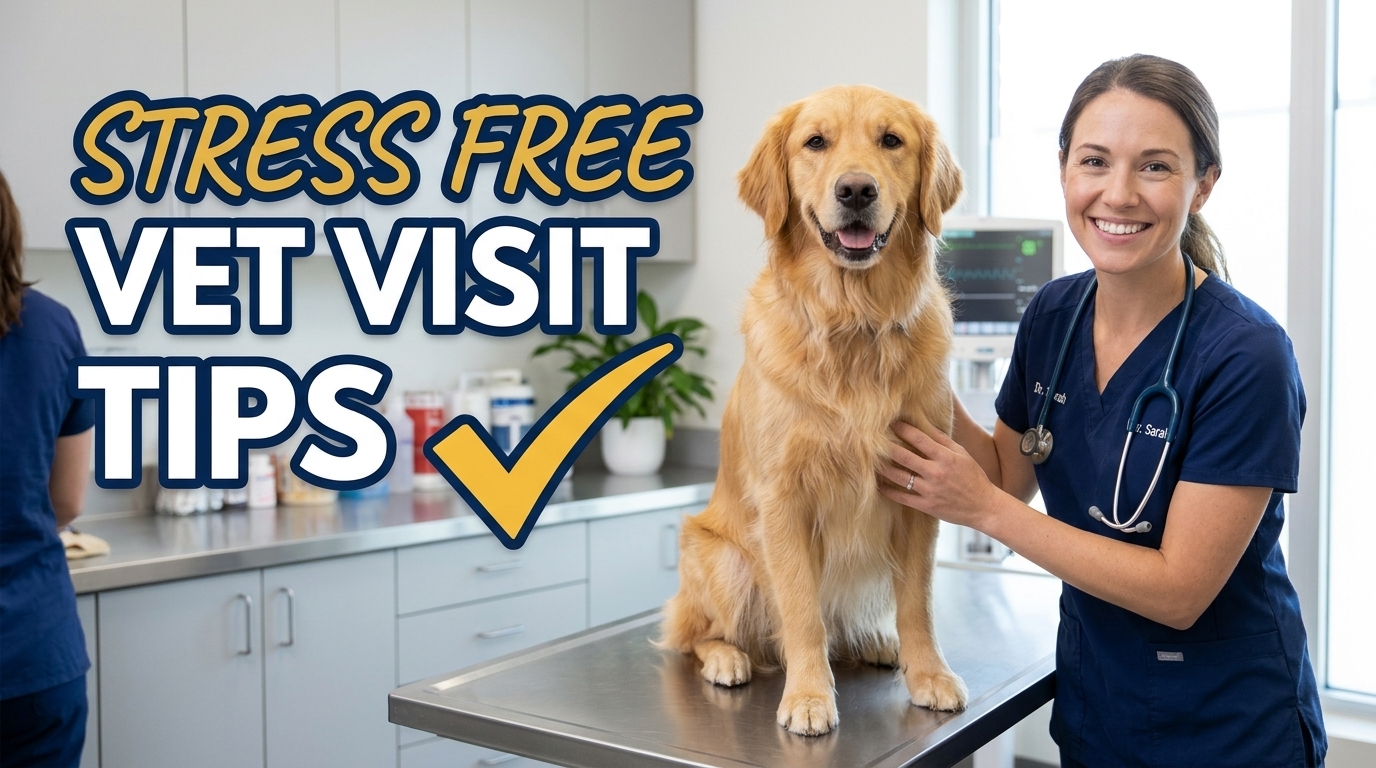
How to Prepare Your Cat for the Carrier (Without the Fight)
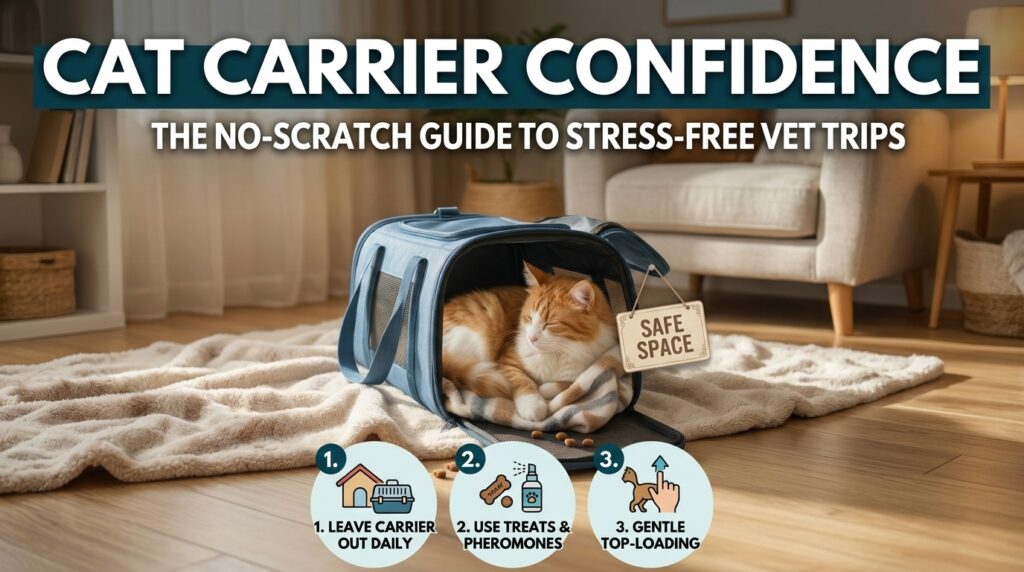
Taking your cat to the vet often feels like a battle that starts long before you reach the clinic. The moment the carrier comes out of the closet, your cat senses danger and vanishes under the bed. To eliminate this anxiety, you need to change your cat’s perception of the carrier from a “trap” to a safe, comfortable haven.
Step 1: Make the Carrier Part of the Everyday Furniture
- The Mistake: Storing the carrier in the attic or garage and only bringing it out on vet days.
- The Solution: Leave the carrier out in a high-traffic, cozy area of your house all year round. Remove the door or leave it wide open. Place a soft blanket inside that smells like home.
Step 2: Positive Reinforcement & Counter-Conditioning
- Feed Inside: Drop high-value treats or feed daily meals near—and eventually inside—the carrier.
- Use Pheromones: Spray a synthetic feline facial pheromone (such as Feliway) onto the bedding inside the carrier 15 minutes before travel to promote calm behavior.
Step 3: Gentle Loading Techniques
- Top-Loading Carriers: If buying a new carrier, choose one with a top lid. Lowering a cat in bottom-first is much easier than shoving them through a front door.
- The Towel Wrap (“Taco Wrap”): Gently wrap your cat in a bath towel to restrain their legs comfortably, then guide them into the carrier smoothly.
Car Travel Anxiety in Dogs: Desensitization & Safety Tips
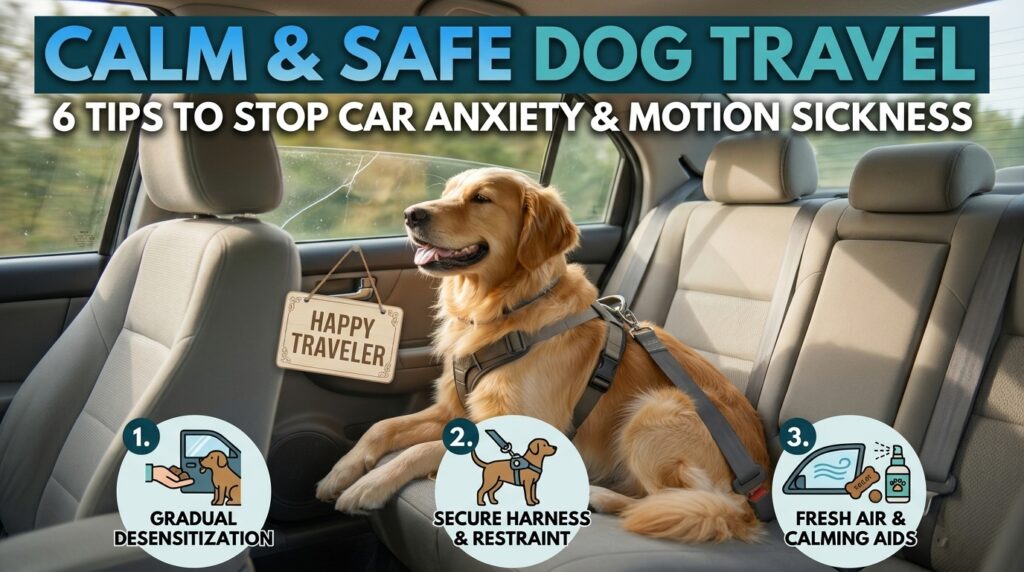
For many dogs, a car ride only means one thing: an uncomfortable trip to the vet. This association creates panic, excessive drooling, whining, or carsickness. Re-conditioning your dog to enjoy car rides takes a step-by-step approach.
Understanding Fear vs. Motion Sickness
- Motion Sickness: Watch for lip licking, heavy drooling, lethargy, and vomiting.
- Anxiety/Fear: Watch for panting, pacing, whining, and reluctance to enter the vehicle.
Step-by-Step Car Desensitization
- Engine Off Visits: Walk your dog to the car, give them a reward for getting in, sit inside together for 2 minutes with the engine off, then exit. Repeat for a few days.
- Turn on the Ignition: Load your dog, start the car, let it idle for 2 minutes, give a treat, and get out without driving anywhere.
- Micro-Trips: Drive around the block once and return home immediately to reward them with fun playtime or a special treat.
Travel Comfort and Safety Gear
- Secure Restraints: Use a crash-tested harness connected to a seatbelt or a secured travel crate to keep your dog stable and reduce nausea.
- Temperature and Airflow: Keep the car cool and crack a window slightly for fresh air.
- Calming Supplements: Consult your vet about over-the-counter calming chews, pheromone sprays, or prescription anti-nausea medications (like Maropitant/Cerenia).
Choosing a Fear Free Certified Vet Clinic
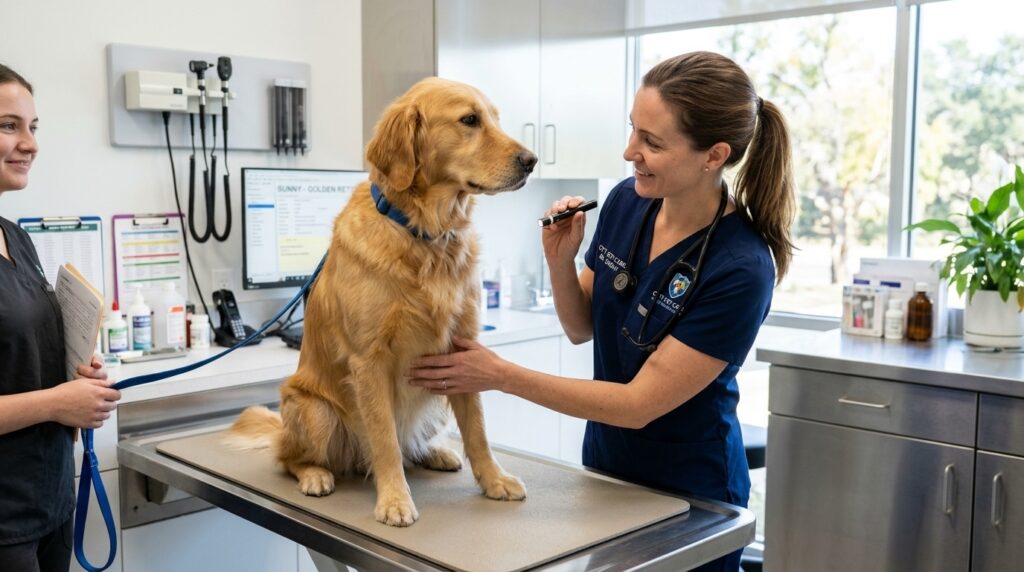
Traditional veterinary visits often involved physical restraint and loud clinic environments. Today, modern veterinary medicine prioritizes emotional well-being alongside physical health through Fear Free and Cat-Friendly certification standards.
What Makes a Clinic “Fear Free”?
- Pheromone Integration: Diffusers (Adaptil for dogs, Feliway for cats) running continuously in reception and exam rooms.
- Non-Slip Surfaces: Exam tables are covered with rubber mats or soft towels rather than cold, slippery stainless steel.
- Gentle Handling: Staff are trained in low-stress restraint techniques, avoiding force whenever possible.
- Treat-Based Distractions: Peanut butter, squeeze cheese, and wet food are used during vaccines and physical exams.
Questions to Ask Your Current Vet
- “Can we do happy visits where my pet just comes in for a treat and leaves?”
- “Do you offer separate waiting areas for cats and dogs?”
- “What is your protocol if my pet gets extremely stressed during an exam?”
The “Happy Visit” Protocol: Desensitizing Your Pet to the Clinic
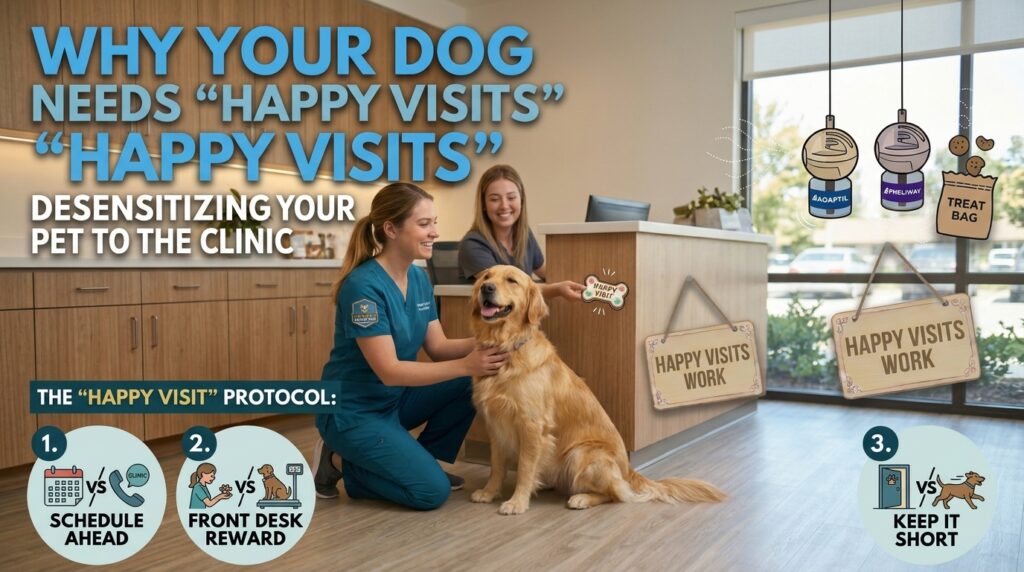
A “Happy Visit” is a quick, 5-minute trip to the veterinary clinic where no medical procedures take place. The sole goal is to teach your pet that entering the clinic leads to rewards and praise.
How to Conduct a Happy Visit
- Schedule Ahead: Call your clinic during non-peak hours to ask if you can pop in for a quick weigh-in and greeting.
- The Front Desk Reward: Walk inside, have the receptionist hand your dog a high-value treat, step onto the scale, reward again, and walk out.
- Keep It Short: Keep the entire experience under 3 to 5 minutes so your pet leaves on a positive note.
Why This Works
By creating a history of positive, low-stakes visits, you break the association that the clinic building equals pain, confinement, or discomfort.
Preparing Your Dog for Physical Exams at Home
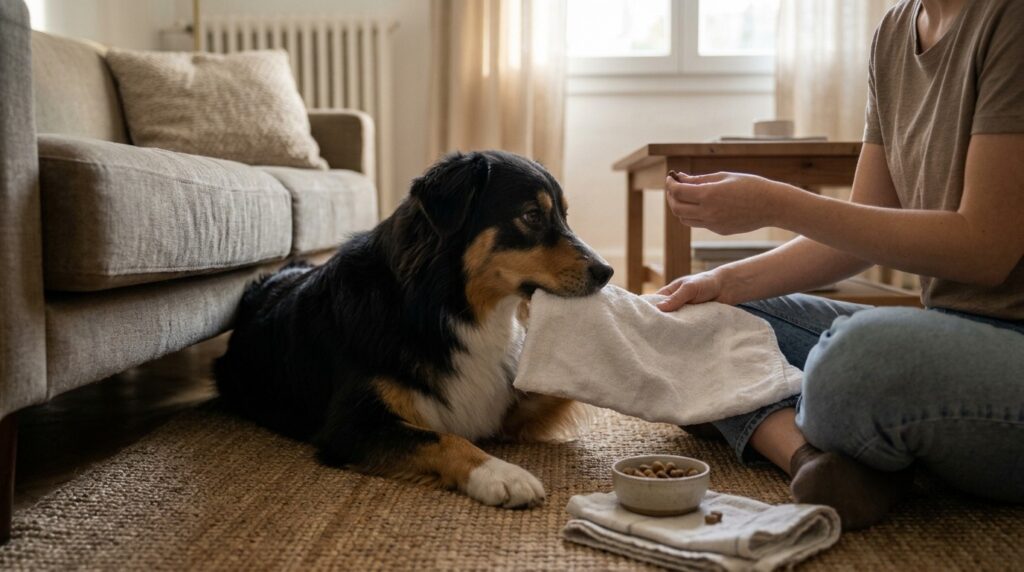
Veterinary exams involve touching sensitive areas: ears, paws, teeth, tail, and belly. If your dog isn’t accustomed to being handled in these spots, the exam can trigger defensive fear.
Key Handling Exercises to Practice Daily
- Paw Touches: Gently slide your hand down your dog’s leg to touch their paws and nails. Immediately pair this with a high-value treat.
- Ear Inspections: Lift the ear flap gently, look inside, treat, and release.
- Muzzle and Lip Checks: Gently lift the lips to inspect teeth and gums, then reward.
- Restraint Hugs: Practice holding your dog in a mild hug position for 3–5 seconds, then instantly release and reward.
cooperative Care Training
Teach your dog a “chin rest” behavior on a towel or your lap. When their chin is rested, handling continues; when they lift their chin, handling stops. Giving your pet a sense of choice dramatically reduces stress.
Pre-Visit Pharmaceuticals (PVP): When Calming Treats Aren’t Enough
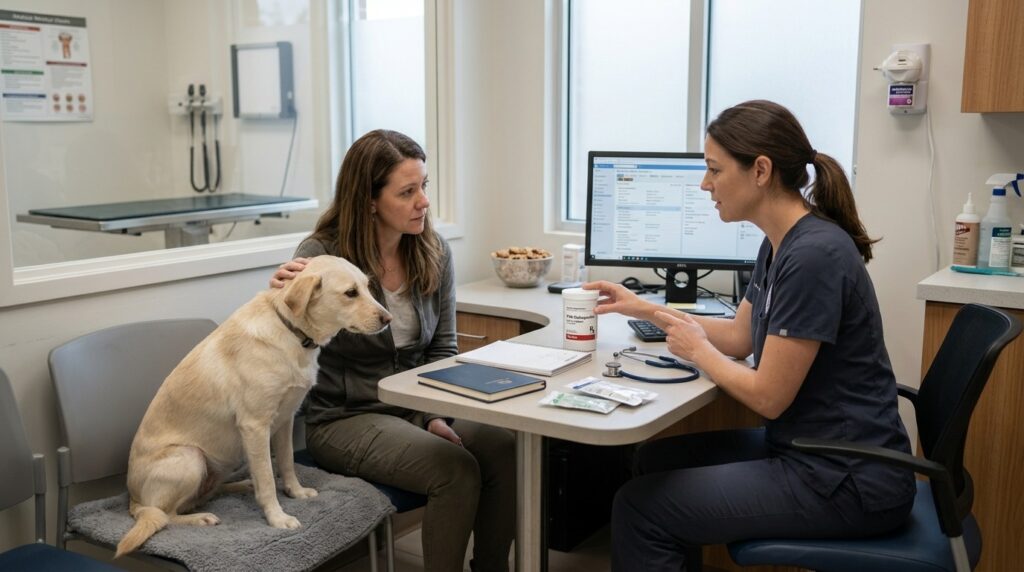
When behavioral training, supplements, and pheromones are not enough to manage severe vet anxiety, Pre-Visit Pharmaceuticals (PVPs) can be a humane, life-changing solution.
Common Medications Used for Vet Anxiety
- Gabapentin: Excellent for both cats and dogs; targets fear and mild pain while providing a calming effect.
- Trazodone: Commonly used for dogs to lower heart rate and reduce situational acute anxiety.
- Meloxicam / Pain Management: Often, aggressive or anxious reactions are driven by underlying joint or physical pain.
Debunking Common Myths
- Myth: “Medicating my pet makes them brain-dead.”
- Fact: PVPs simply tone down the fight-or-flight stress response so your pet can think clearly without panic.
- Myth: “Using medication is giving up on training.”
- Fact: Medication works best alongside behavioral modification by lowering anxiety thresholds.
How to Discuss PVPs with Your Vet
If your pet exhibits extreme vocalization, panting, bladder control loss, or aggression at the clinic, ask your vet if a mild pre-visit medication administered 2 hours before the appointment is right for them.
Post-Vet Recovery Routine: Bringing Your Pet Home Safely
The vet visit isn’t over when you walk out the clinic doors. Returning home presents its own challenges, especially in multi-pet households where scents have changed.
Dealing with “Non-Recognition Aggression” in Cats
When one cat returns from the clinic smelling like disinfectant and unfamiliar animals, housemate cats may not recognize them and might react aggressively.
- Isolation Period: Place the returning cat in a separate, quiet room with food, water, and a litter box for 1 to 3 hours.
- Scent Transfer: Rub a blanket or towel over your stay-at-home cat, then gently rub it onto the returning cat to restore the familiar family scent.
- Gradual Re-Introduction: Re-introduce them under supervision paired with treats or meals.
Creating a Decompression Space for Dogs
- Low Lighting and Quiet: Provide a quiet, shaded sanctuary space away from kids and noisy household activities.
- Lick Mats and Chews: Provide a frozen lick mat or chew toy; licking and chewing release endorphins that naturally lower cortisol levels.
- Monitor Post-Exam Symptoms: Keep a calm eye out for lethargy, soreness, or vaccine reactions over the next 24 hours.





5