

The Ultimate Guide to Acupuncture for Dogs: Benefits, Uses, and What to Expect
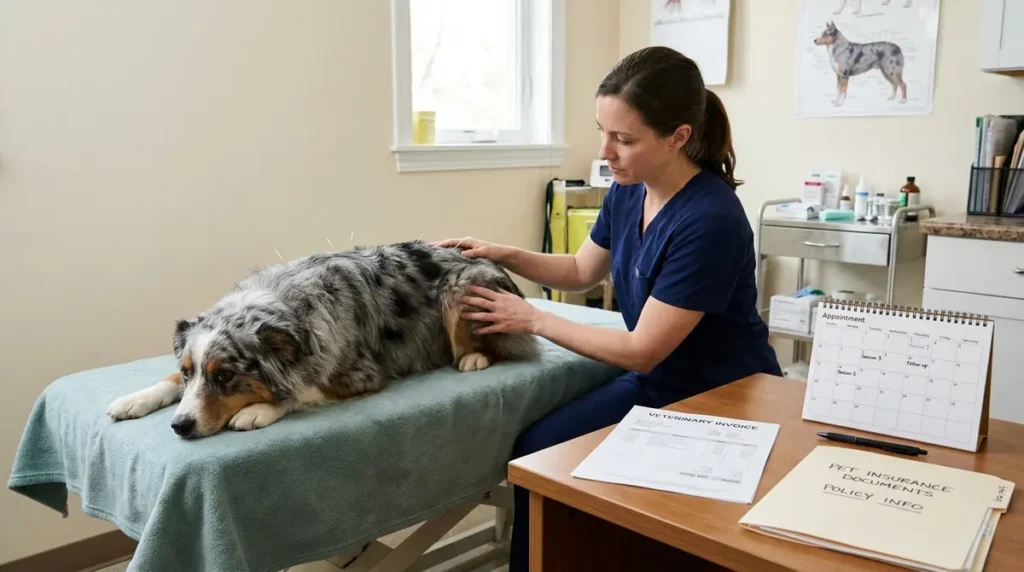
As pet parents, seeing our four-legged family members in pain or feeling sluggish is heartbreaking. While conventional veterinary care remains essential, holistic treatments like veterinary acupuncture are becoming immensely popular among dog owners looking for non-invasive, drug-free relief for their pets.
Originating in traditional Chinese medicine thousands of years ago, acupuncture is now a respected treatment in modern veterinary medicine. But how exactly does sticking tiny needles into your dog help them feel better? Let’s break down the ultimate benefits of canine acupuncture and what you need to know before booking a session.
What Is Veterinary Acupuncture?
Canine acupuncture involves inserting extremely fine, sterile needles into specific points on a dog’s body—known as acupoints. These points lie along pathways called meridians, which correspond to major nerves, blood vessels, and muscles.
From a modern medical perspective, acupuncture stimulates nerves, increases blood circulation, triggers the release of natural pain-relieving hormones (like endorphins and serotonin), and reduces systemic inflammation.
Top 5 Benefits of Acupuncture for Dogs
1. Pain Management & Relief
Whether your dog is recovering from surgery or managing a chronic condition, acupuncture acts as a natural analgesic. By blocking pain signals sent to the brain and relaxing tight muscle groups, it provides immediate and lasting relief.
2. Enhanced Mobility & Joint Support
For senior dogs or breeds prone to hip dysplasia, joint stiffness can drastically reduce quality of life. Acupuncture helps lubricate joints, improve flexibility, and reduce swelling so your pup can walk, run, and play comfortably again.
3. Reduced Inflammation
Systemic inflammation is at the root of many canine ailments—from arthritis to skin allergies. Acupuncture stimulates tissue repair and circulation, carrying oxygen and nutrient-rich blood to inflamed areas.
4. Stress and Anxiety Reduction
Dogs experiencing separation anxiety, noise phobias, or behavioral stress often benefit from the calming effects of acupoint stimulation. Many dogs actually fall asleep during their acupuncture sessions!
5. Better Digestive and Respiratory Health
Acupuncture helps regulate the gastrointestinal tract, making it effective for dogs dealing with inflammatory bowel disease (IBD), chronic nausea, or severe constipation.
What Conditions Can Acupuncture Treat?
- Chronic Osteoarthritis & Hip Dysplasia
- Intervertebral Disc Disease (IVDD)
- Nerve Injury & Partial Paralysis
- Digestive Upset & Appetite Loss
- Kidney & Liver Disease Support
- Post-Surgical Rehabilitation
What to Expect During Your Dog’s First Session
- Initial Assessment: A certified veterinary acupuncturist will review your dog’s medical history and conduct a physical exam.
- Treatment Setup: Your dog comfortably rests on a padded bed or rug while gentle needles are placed.
- The Session: Most treatments take 20 to 45 minutes. Dogs generally relax or nap during this time.
- Post-Treatment: Some dogs experience a burst of energy immediately after, while others may sleep deeply for a few hours.
Key Takeaway for Pet Parents
Canine acupuncture is a safe, gentle, and effective treatment that works alongside traditional veterinary medicine to restore your dog’s vitality and comfort.
Loved this guide? Pin this post to your Dog Care & Health board on Pinterest and save it for later!
Acupuncture for Dogs with Arthritis & Hip Dysplasia: Natural Joint Pain Relief
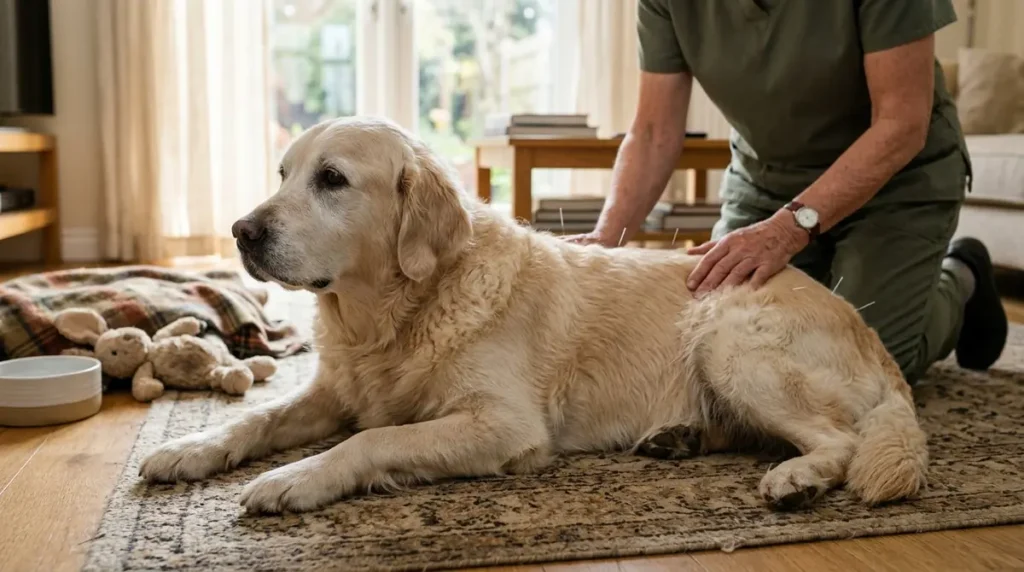
Watching your vibrant dog struggle to stand up after a nap or hesitate before going up the stairs is painful for any pet parent. Canine arthritis and hip dysplasia affect millions of dogs, especially as they enter their golden years.
While daily pain medications (like NSAIDs) help, long-term use can sometimes lead to liver or kidney strain. That’s where acupuncture steps in as a powerful, non-toxic alternative or complementary therapy.
How Arthritis and Dysplasia Affect Your Dog
Joint disease causes the protective cartilage in joints to wear away, leading to bone-on-bone friction, severe inflammation, and severe muscle tightness in surrounding areas as the dog overcompensates for weakness.
How Acupuncture Helps Dogs with Joint Pain
1. Promotes the Body’s Natural Endorphin Release
Instead of masking pain with synthetic drugs, acupuncture stimulates the central nervous system to release natural opioids and endorphins, providing drug-free pain management.
2. Relieves Muscle Spasms and Tension
Dogs with hip dysplasia often carry extra weight on their front legs to spare their hindquarters. This leads to painful muscle knots in the back and shoulders. Acupuncture targets these trigger points to release tight muscle fibers.
3. Restores Range of Motion
By decreasing fluid buildup and swelling within the joint capsule, acupuncture helps increase flexibility, allowing your dog to move with greater ease and less stiffness.
4. Reduces Dependency on Medications
When combined with joint supplements (like glucosamine and omega-3s), regular acupuncture can allow veterinarians to reduce the dosage of prescription medications, protecting organ health over time.
Success Stories: How Fast Does It Work?
- First 1–3 Sessions: Noticeable reduction in stiffness, especially in the mornings.
- 4–6 Sessions: Improved willingness to climb stairs, go on longer walks, and jump into cars.
- Maintenance Stage: Sessions spaced every 3–6 weeks keep joints mobile and pain-free.
Conclusion & Next Steps
If joint pain is holding your dog back, acupuncture offers a safe, proven path toward pain relief and renewed energy.
Pin This Article! Share this post with fellow dog parents looking for natural arthritis treatments!
Veterinary Electro-Acupuncture for Dogs: How It Works & Key Benefits
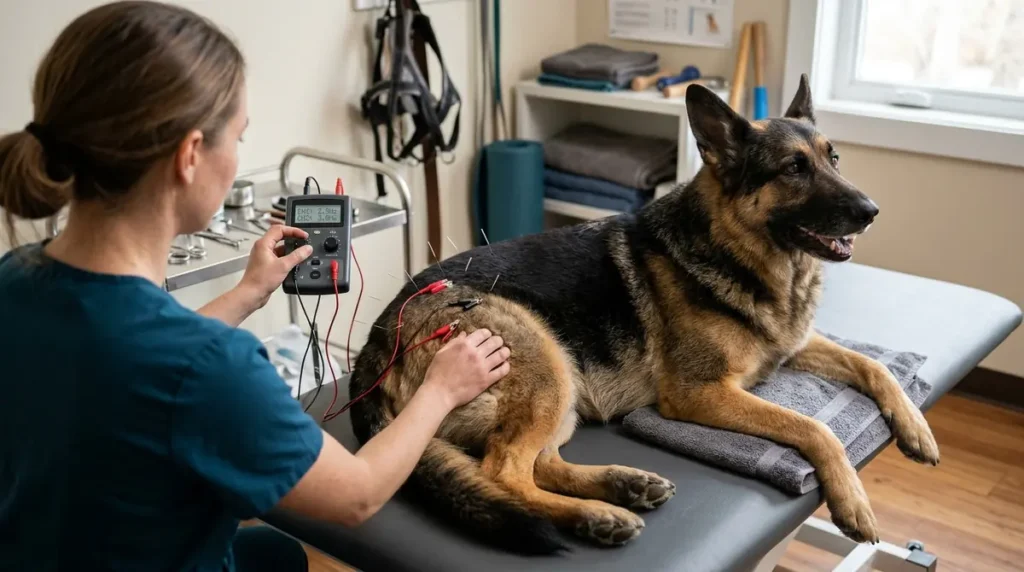
If you’ve been exploring acupuncture options for your dog, you may have come across the term Electro-Acupuncture (e-acupuncture). While it might sound intimidating, electro-acupuncture is actually one of the most effective holistic modalities available for dogs suffering from severe nerve damage, back pain, or mobility loss.
What Is Electro-Acupuncture?
Electro-acupuncture builds upon traditional acupuncture techniques. Once the acupuncturist inserts the fine needles into specific points, small clips connected to a low-voltage electrical unit are attached to pairs of needles. A gentle, micro-current electrical impulse passes between the needles.
This provides continuous, rhythmic stimulation to the nerves and tissues without requiring manual manipulation of the needles.
Top Benefits of Electro-Acupuncture for Dogs
1. Faster & Long-Lasting Pain Relief
The continuous micro-current releases a higher volume of pain-inhibiting neurotransmitters compared to standard needles alone, providing quicker relief for acute pain spikes.
2. Neurological Regeneration
For dogs dealing with paralysis, nerve trauma, or disc herniation, electro-acupuncture helps re-establish nerve signals between the brain, spinal cord, and limbs.
3. Deep Muscle Stimulation
Electro-currents stimulate deep tissue layers that standard hand-placed needles struggle to reach, breaking up severe muscle contractures and tissue spasms.
Best Conditions Treated with Electro-Acupuncture
- Intervertebral Disc Disease (IVDD): Slipped or herniated spinal discs.
- Degenerative Myelopathy (DM): Progressive neurological disorders.
- Paralysis / Paresis: Weakness or loss of control in hind limbs.
- Severe Sciatica & Back Pain
Is Electro-Acupuncture Safe and Painful?
Not at all! The electrical current is set to a very low frequency and intensity. Most dogs experience a mild tingling sensation that relaxes them. It is completely safe when performed by a certified veterinary acupuncturist.
Summary
For severe orthopedic or neurological challenges, electro-acupuncture provides amplified therapeutic benefits that can significantly shorten recovery times.
Found this helpful? Save this pin to your Dog Health Tips board!
Acupuncture for Dogs with IVDD and Spinal Injuries: A Non-Surgical Alternative
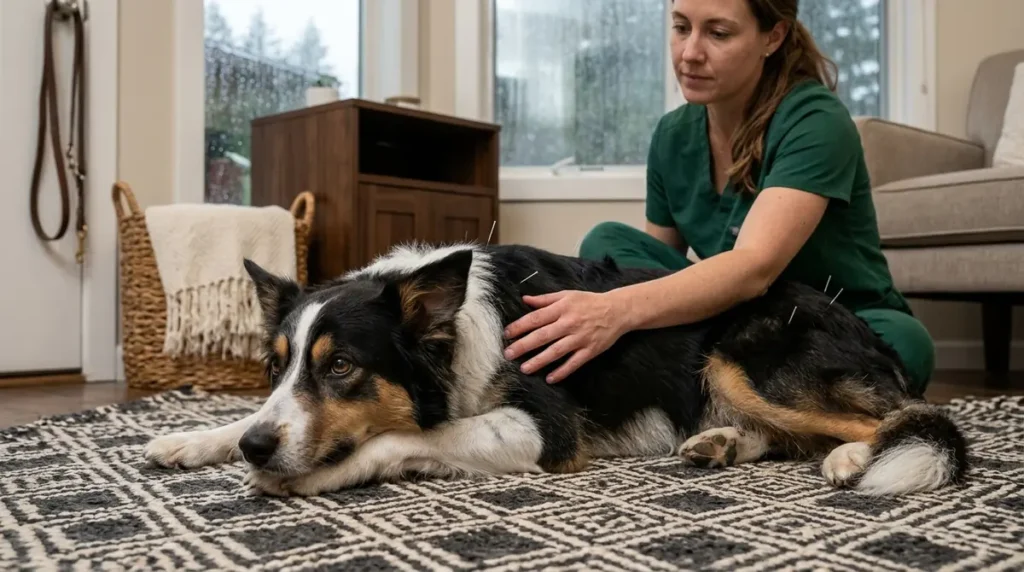
Intervertebral Disc Disease (IVDD) is a painful spinal condition common in long-backed breeds like Dachshunds, Corgis, Beagles, and Basset Hounds. When a disc herniates, it presses against the spinal cord, causing intense pain, loss of coordination, or complete loss of leg function.
While emergency surgery is sometimes required in severe cases, veterinary acupuncture has emerged as a groundbreaking conservative management therapy for dogs recovering from spinal trauma.
The Role of Acupuncture in IVDD Recovery
1. Decreases Spinal Cord Swelling
Needle placement along the bladder and governing vessel meridians (running alongside the spine) increases localized blood circulation, aiding in the rapid drainage of inflammation around the injured disc.
2. Reawakens Nerves
Direct nerve stimulation encourages damaged peripheral and spinal nerves to regenerate pathways, restoring feeling and motor function to dragging legs.
3. Prevents Muscle Atrophy
When legs are immobilized due to nerve damage, muscles waste away quickly. Acupuncture impulses trigger small muscle contractions that preserve muscle mass during recovery.
Crate Rest + Acupuncture: The Powerful Combo
In non-surgical IVDD cases, veterinary acupuncture works best when combined with strict crate rest and laser therapy. While crate rest prevents further disc damage, acupuncture speeds up healing internally.
Key Takeaways for Dog Owners
- Early intervention is critical—start treatment as soon as your vet gives approval.
- Acupuncture can be safely integrated alongside post-surgical rehab if your dog underwent spinal surgery.
- Consistency is key: 2–3 sessions per week during the initial acute recovery phase yield the best results.
Save this article! Pin it now so you always have reliable pet care info at your fingertips.
Acupuncture for Dog Anxiety and Behavioral Stress: Calming the Nervous System
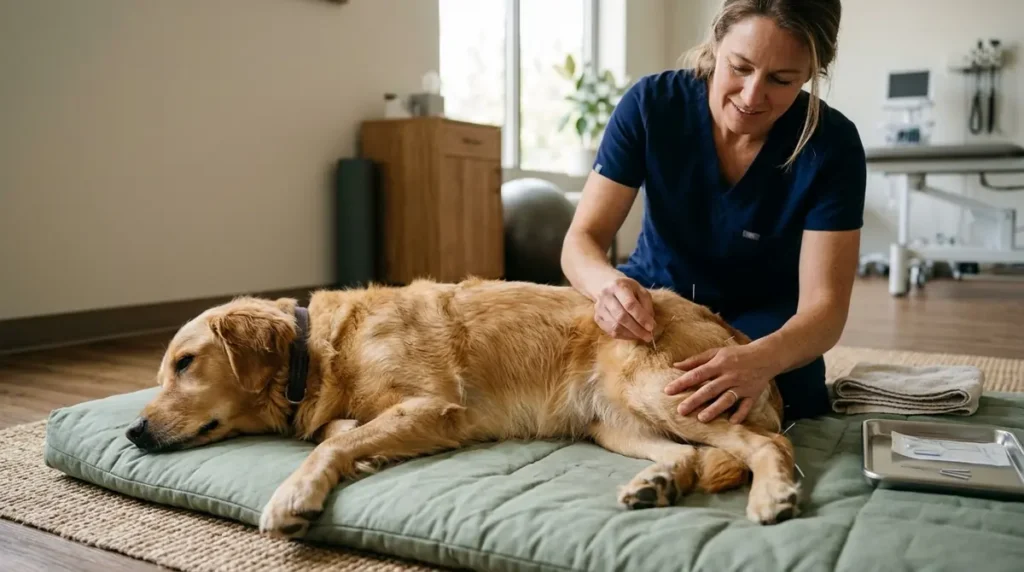
Canine anxiety is more than just a behavioral headache—it physically damages your dog’s nervous system, digestive track, and immune function over time. Whether your dog panics during thunderstorms, suffers from separation anxiety, or fears sudden noises, finding holistic relief can transform their well-being.
How Acupuncture Calms an Anxious Dog
Acupuncture directly targets the autonomic nervous system:
- Shifts the Body from “Fight or Flight” to “Rest and Digest”: Acupuncture down-regulates sympathetic nervous system activity and activates the parasympathetic system.
- Boosts Serotonin & Endorphins: It stimulates brain chemicals responsible for mood regulation, peace, and relaxation.
- Relieves Physical Tension: Anxiety manifests as tight muscles in the chest, shoulders, and neck. Acupuncture melts away physical stress patterns.
Specific Behavioral Issues Acupuncture Supports
- Separation Anxiety
- Storm and Noise Phobias
- Hyperactivity & Inability to Settle
- Fear-Based Aggression or Reactivity
- Rescue Dog Trauma and Transition Stress
What Happens During an Anxiety Acupuncture Session?
Veterinarians use ultra-thin needles placed at specific relaxation points (such as the top of the head, between the eyes, or near the inner ears). Within 5 to 10 minutes, most anxious dogs lower their heart rates, lie down, sigh deeply, and fall into a restful state.
Final Thoughts
If behavioral training and calming supplements aren’t fully managing your dog’s stress, acupuncture is a proven, chemical-free option to help your companion feel peaceful again.
Acupuncture for Senior Dogs: Boosting Energy, Quality of Life, and Comfort
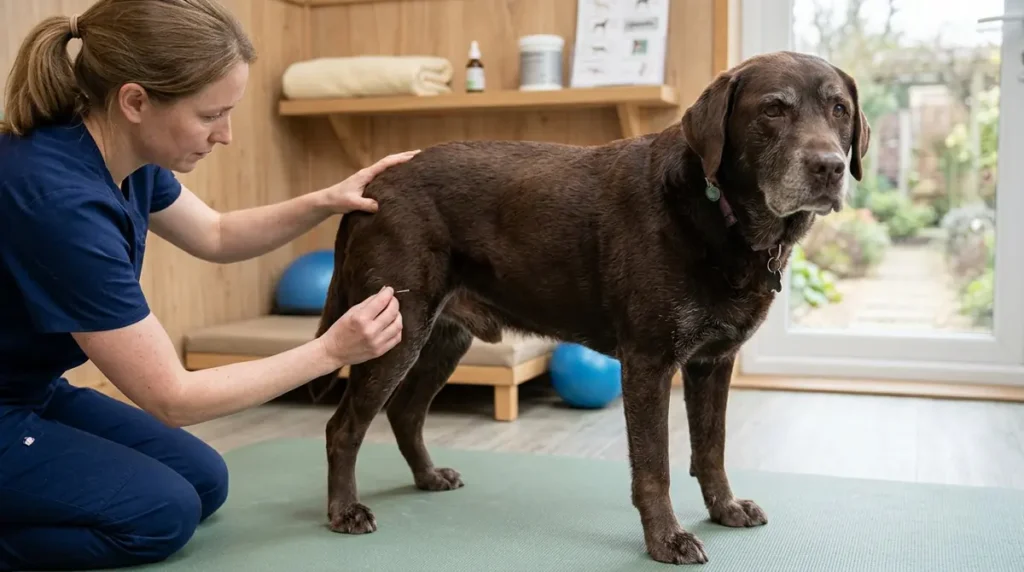
As our sweet dogs age, seeing their energy fade can be heartbreaking. Senior dogs face a combination of health hurdles: stiff joints, declining kidney function, digestive sluggishness, and muscle loss.
Acupuncture is one of the gentlest and most effective tools in senior pet palliative care, helping older dogs stay active, comfortable, and happy throughout their twilight years.
4 Major Ways Acupuncture Helps Senior Dogs
1. Rejuvenates Energy Levels
In Traditional Chinese Veterinary Medicine (TCVM), aging is seen as a natural depletion of “Qi” (vital energy). Acupuncture stimulates energy pathways, improving stamina and mental clarity in lethargic older dogs.
2. Organ System Support
Acupoints linked to the kidney, liver, and stomach boost organ perfusion. This helps senior dogs digest food better, maintain healthy appetites, and manage early-stage organ decline.
3. Incontinence Management
Weak bladder control is common in older spayed females or dogs with spinal weakness. Acupuncture points near the sacrum help tone the muscles controlling bladder function.
4. Safe Pain Management Without Side Effects
Elderly dogs often cannot tolerate high doses of pharmaceutical painkillers due to sensitive livers or kidneys. Acupuncture offers safe, drug-free pain relief without organ toxicity.
Making Your Senior Dog Comfortable
Many mobile veterinary acupuncturists perform home visits! Receiving acupuncture treatments on their favorite living room rug reduces stress for older dogs who struggle with car rides or vet clinic visits.
Summary
Acupuncture doesn’t reverse aging, but it dramatically improves quality of life, giving senior dogs renewed vitality and pain-free days.
Don’t Forget to Pin! Share this with owners of senior dogs looking for gentle wellness solutions.
How Much Does Canine Acupuncture Cost? (Costs, Insurance & Session Frequency)
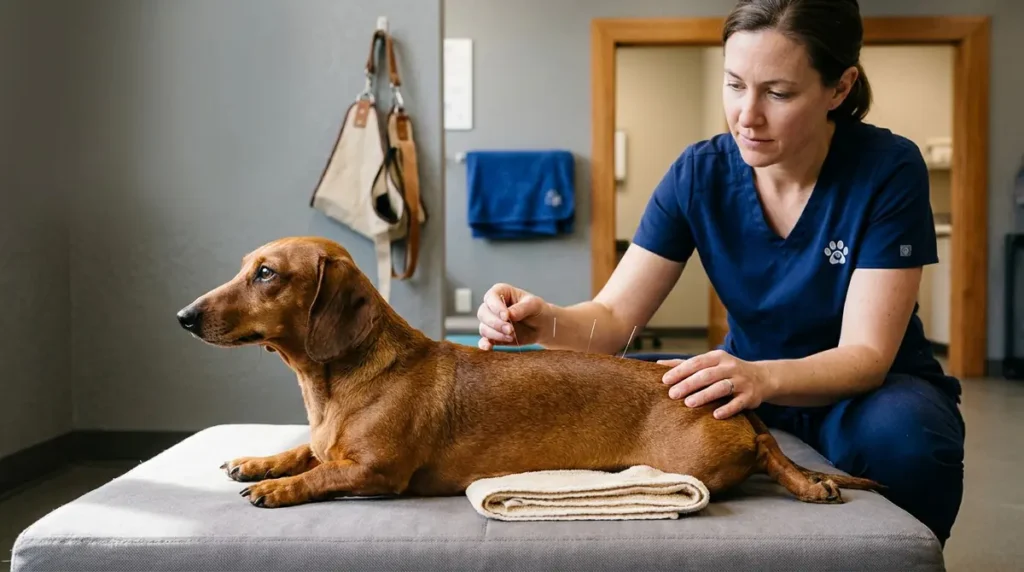
When considering holistic treatments for your pet, budget and logistics are top priorities. If you are wondering whether veterinary acupuncture is worth the investment, understanding the costs, session length, and insurance coverage will help you make an informed decision for your family.
Average Cost of Dog Acupuncture
Costs vary based on geographic location, vet experience, and whether treatment occurs in-clinic or as a house call:
- Initial Consultation & First Session: $125 – $250
(Includes physical exam, medical history review, TCVM diagnosis, and initial needle placement).
- Follow-up Individual Sessions: $75 – $150 per session.
- In-Home Mobile Acupuncture: $150 – $300 per visit (includes travel fee).
How Many Sessions Will Your Dog Need?
- Acute Conditions (e.g., sudden injury, post-op recovery): 1–2 sessions per week for 2 to 4 weeks.
- Chronic Conditions (e.g., arthritis, IVDD, kidney support): Weekly sessions for 4–6 weeks, transitioning to monthly maintenance treatments.
Does Pet Insurance Cover Acupuncture?
Yes! Many major pet insurance providers (such as Trupanion, Healthy Paws, Nationwide, and Fetch) offer coverage for alternative therapies, including acupuncture, provided:
- The treatment is administered by a licensed veterinarian certified in veterinary acupuncture (CVA).
- The condition being treated is not classified as a pre-existing condition.
Is Dog Acupuncture Worth It?
Compared to long-term costs of prescription pain management, bloodwork monitoring, or invasive surgeries, acupuncture is a cost-effective, non-invasive treatment that addresses the root cause of pain and illness while improving overall quality of life.
How to Find a Certified Practitioner
Always check credentials! Ensure your vet holds certification from recognized institutions such as:
- International Veterinary Acupuncture Society (IVAS)
- Chi University (CVA certification)
- CuraCore