
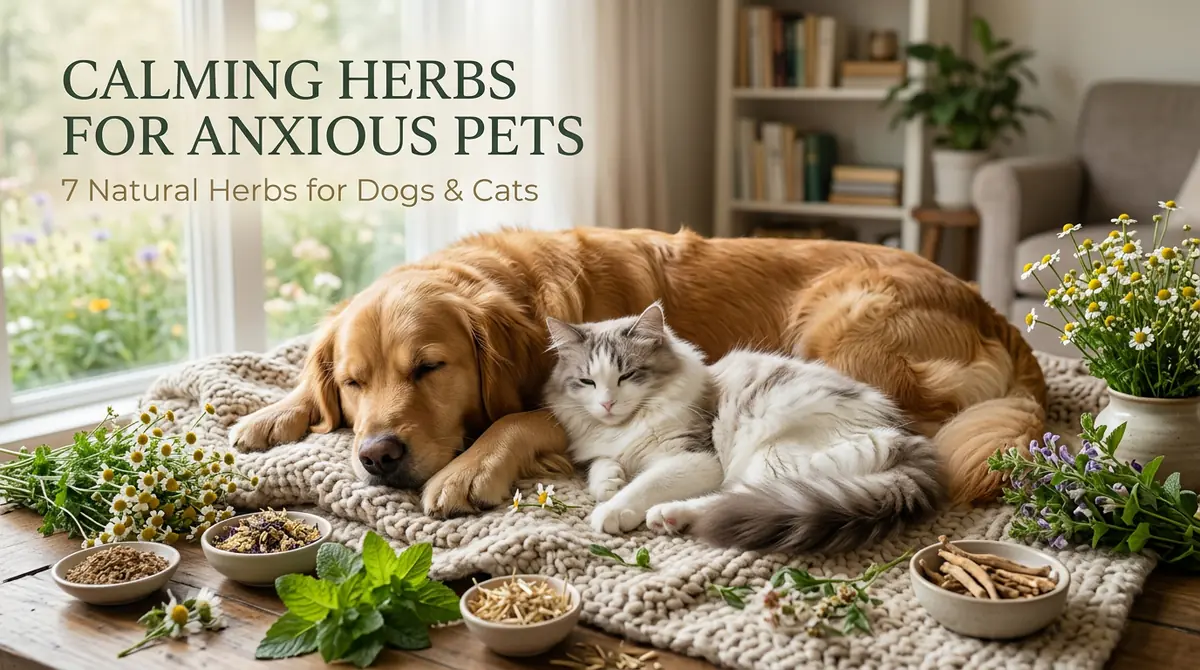
Calming Herbs for Anxious Pets: A Complete Natural Guide to Soothing Dog and Cat Anxiety
Pet anxiety is a growing concern for millions of loving pet parents worldwide. Whether it’s loud thunderstorms, fireworks, separation anxiety, vet visits, or travel stress, watching a dog or cat pace, whine, pant, or hide breaks a pet owner’s heart. While pharmaceuticals exist, many owners seek safe, gentle, and effective natural alternatives to calm their four-legged companions.
Calming herbs offer a holistic, time-tested approach to soothing your pet’s nervous system without heavy sedation. In this comprehensive guide, we will explore the 7 best calming herbs for anxious pets, how they work, safety guidelines.
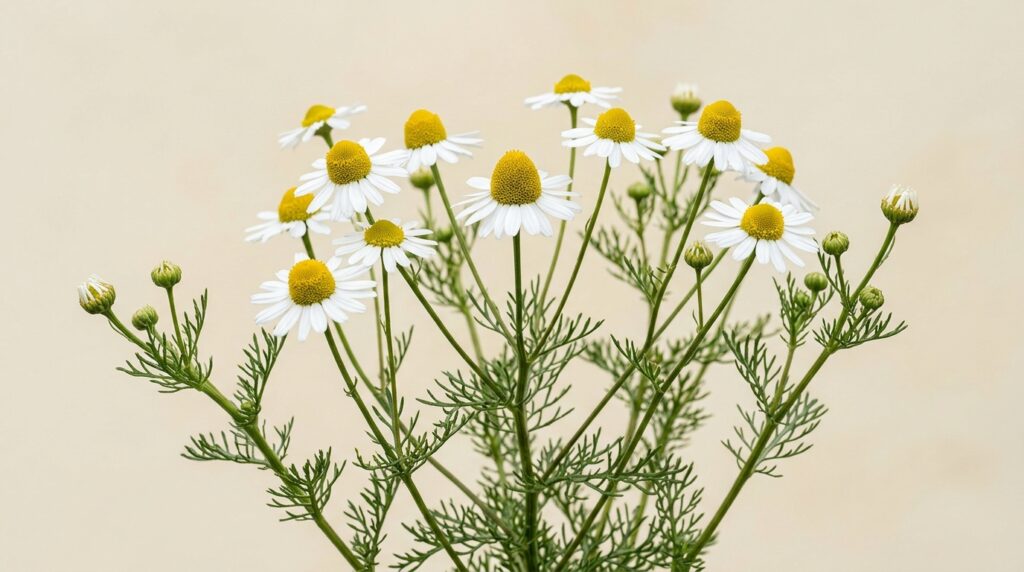
Chamomile: Gentle Relief for Digestive and Emotional Stress
Why It Works
German Chamomile (Matricaria recutita) is renowned for its mild sedative and anti-spasmodic qualities. In pets, anxiety often manifests through digestive upset—such as an upset stomach or loose stools before a stressful event. Chamomile works by relaxing nervous tension while simultaneously settling gastrointestinal distress.
How to Use
- Infusion/Tea: Brew a mild chamomile tea, let it cool completely, and mix 1 to 2 teaspoons per 10 lbs of body weight into your pet’s food or water.
- Tinctures & Chews: Look for alcohol-free glycerite tinctures or commercially prepared calming chews formulated specifically for dogs and cats.
Safety Note
Always use German Chamomile in low, controlled doses. Avoid concentrated chamomile essential oils on cats, as their liver enzymes process essential oils differently than dogs.
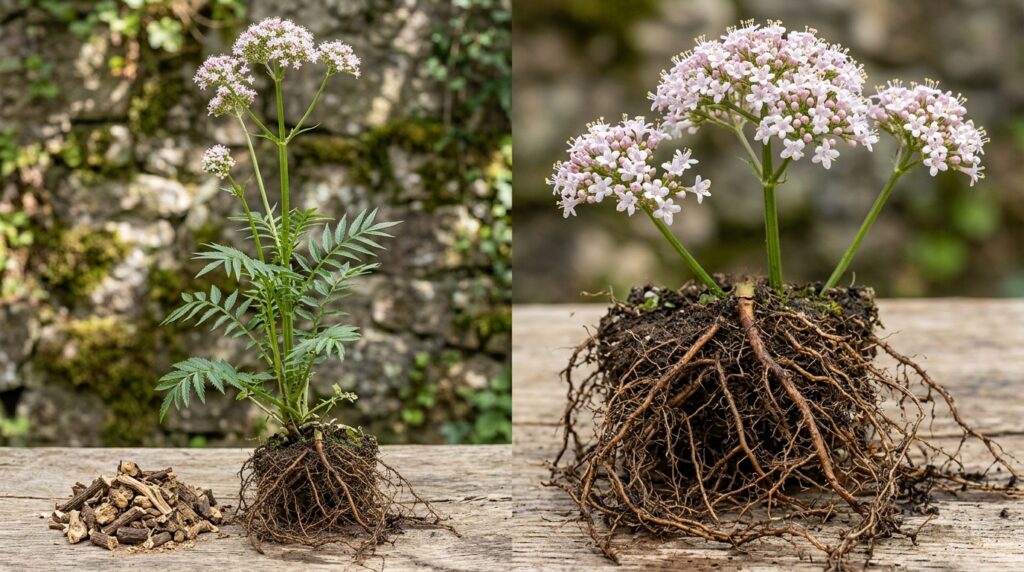
Valerian Root: The Powerhouse for Severe Stress & Noise Phobias
Why It Works
Valerian Root (Valeriana officinalis) is one of the most potent natural herbal sedatives available. It works by inhibiting the breakdown of GABA (gamma-aminobutyric acid) in the brain, inducing a sense of deep physical and mental calm. It is particularly effective for acute, high-stress events like fourth of July fireworks, severe thunderstorms, or long travel.
How to Use
- Tincture/Extract: Administer alcohol-free valerian root drops 30–45 minutes prior to a stressful trigger.
- Dried Herb: Blend tiny powdered amounts into wet food.
Safety Note
Valerian is powerful—start with the lowest recommended dose. In rare instances, a small percentage of pets may experience a paradoxical reaction where they become temporarily hyperactive before relaxing.
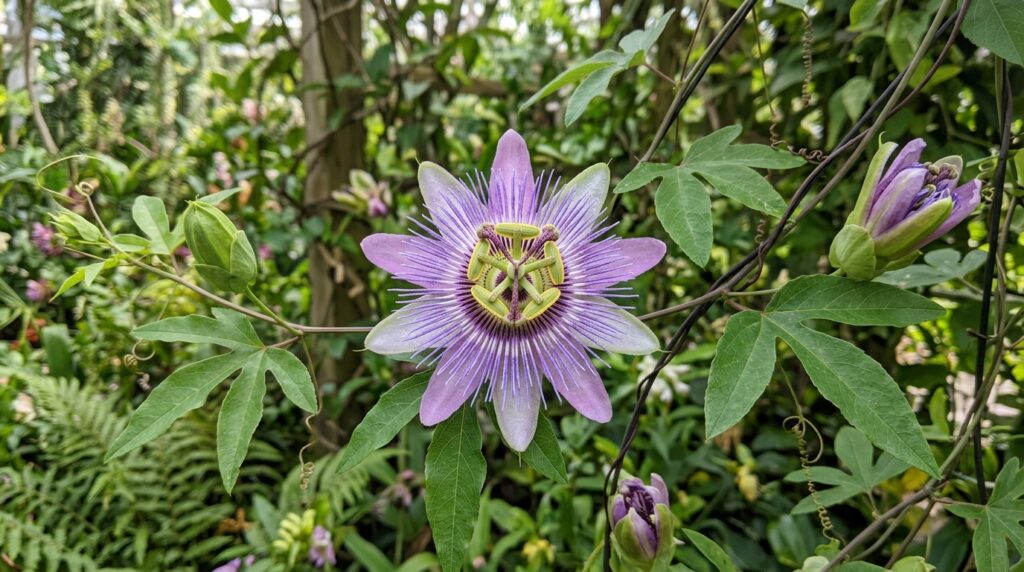
Passionflower: The Neuro-Calmer for Separation Anxiety
Why It Works
Passionflower (Passiflora incarnata) excels at reducing restlessness, pacing, and intrusive nervous behavior. It works directly on brain receptors to increase GABA levels, making it the ideal choice for pets suffering from separation anxiety, compulsive pacing, or constant alertness.
How to Use
- Passionflower is most effective when combined with other synergizing herbs like Chamomile or Lemon Balm in pre-made daily anxiety supplements or soft chews.
Safety Note
Passionflower is generally very safe, but avoid administering it to pregnant or nursing pets.
Lemon Balm: Soothing Irritability and Nervous Exhaustion
Why It Works
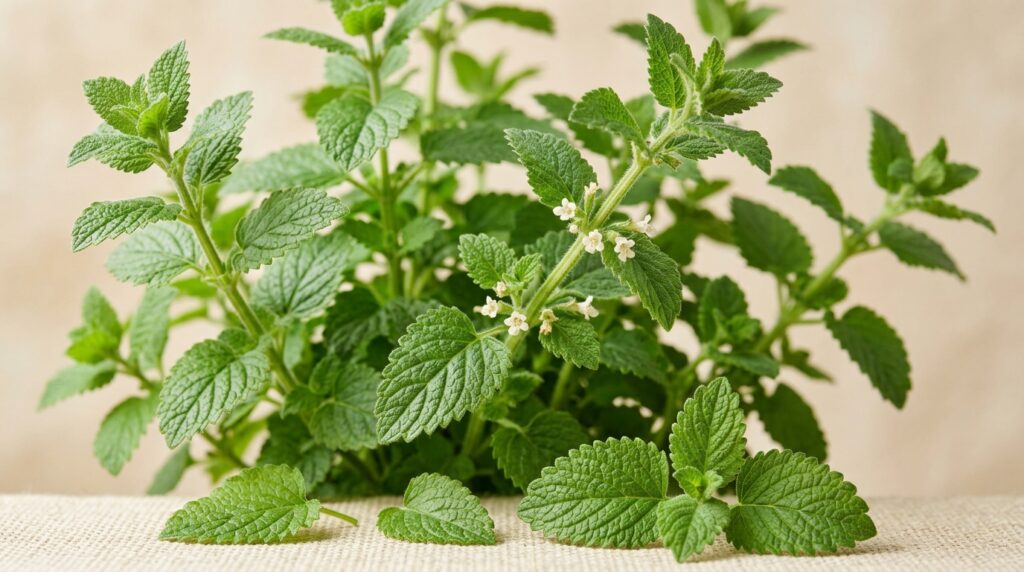
A member of the mint family, Lemon Balm (Melissa officinalis) is a gentle nervous system tonic. It helps reduce excitability, nervous tremors, and stress-induced digestive issues. Lemon balm is especially useful for older pets who experience cognitive reactivity or mild confusion-induced anxiety at night.
How to Use
- Freshly chopped leaves can be lightly sprinkled over food, or administered as a cooled herbal tea infusion over kibble.
Safety Note
Ensure you source pure Lemon Balm without added sweetener substitutes like Xylitol (which is toxic to dogs).
Oat Straw (Avena Sativa): Nourishing Long-Term Nervous System Health

Why It Works
Unlike quick-acting sedatives, Oat Straw (Avena Sativa) acts as a nervine trophorestorative—a herb that nourishes, repairs, and restores depleted nerve tissues over time. It is rich in calcium, magnesium, and B vitamins, making it perfect for chronically anxious, rescued, or rehabilitated pets building emotional resilience.
How to Use
- Add warm oat straw tea or ground organic oat bran/straw powder directly into daily meals over several weeks for cumulative benefits.
Safety Note
Ensure the oats used are certified gluten-free if your pet has known food sensitivities.
Skullcap: Relief for Muscle Tension and Hypersensitivity
Why It Works
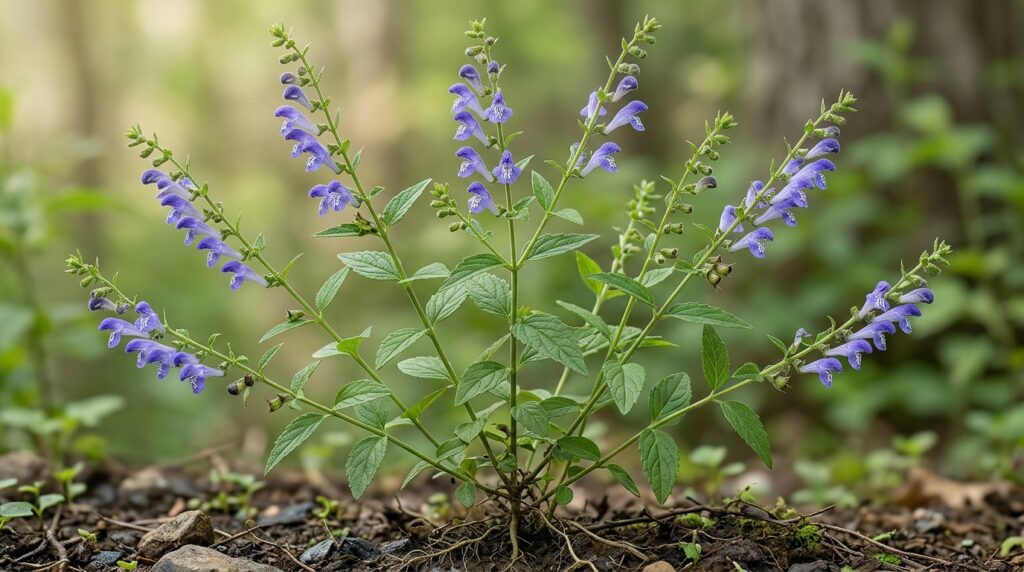
American Skullcap (Scutellaria lateriflora) is a superb herb for pets who experience physical tension along with emotional fear. When anxious pets freeze, shake, or tense their muscles, Skullcap acts as both a nervine and a mild antispasmodic to relax physical tightness and settle nervous excitability.
How to Use
- Best administered as an alcohol-free glycerite extract diluted in water or mixed into a favorite wet treat like plain pumpkin puree.
Safety Note
Always buy American Skullcap from reputable manufacturers to ensure purity and avoid mislabeled herbal lookalikes.
Ashwagandha: The Adaptogen for Stress Resilience
Why It Works
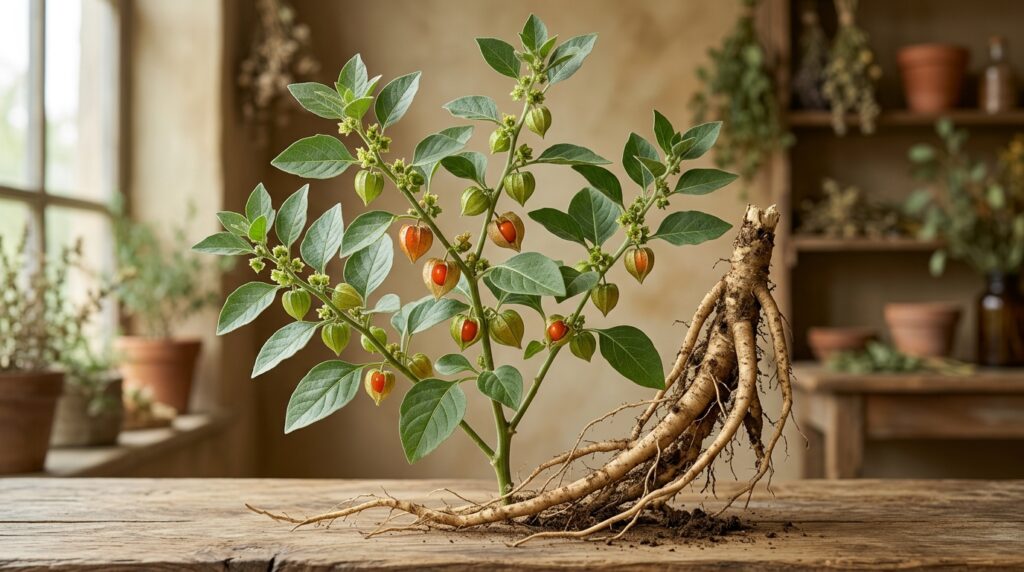
Ashwagandha (Withania somnifera) is a revered adaptogenic herb that helps balance cortisol (the stress hormone) levels in the body. Rather than simply sedating your pet, Ashwagandha helps build long-term stress tolerance, helping reactive pets stay calm around strange noises, new guests, or unfamiliar environments.
How to Use
- Administer in micro-doses formulated specifically for pets, usually found in organic powdered form or veterinary-approved adaptogenic chews.
Safety Note
Use only pet-formulated dosages, as human-grade Ashwagandha supplements can be too concentrated for smaller animals.
Essential Safety Rules for Using Herbs with Pets
- Consult Your Veterinarian First: Always speak to a veterinarian or holistic pet practitioner before starting any herbal regimen, especially if your pet is pregnant, nursing, or taking prescription medication.
- Species Differences Matter: Cats process herbs differently than dogs due to unique liver pathways. Never give cats products intended solely for dogs unless labeled safe for felines.
- Start Low and Go Slow: Begin with a fraction of the recommended dosage to monitor your pet for potential allergies or digestive sensitivity.
- Choose Pet-Specific Formulations: Avoid human tinctures containing alcohol, artificial sweeteners (especially Xylitol), or heavy essential oils.
Final Thoughts
Natural calming herbs offer a gentle, holistic path to helping anxious dogs and cats navigate a noisy, unpredictable world. By incorporating these 7 power herbs into a routine paired with positive training, safe spaces, and gentle care, you can help your beloved pet live a happier, stress-free life.