
The Ultimate Guide to Pet Fitness Trackers: Are They Worth It for Your Dog or Cat?
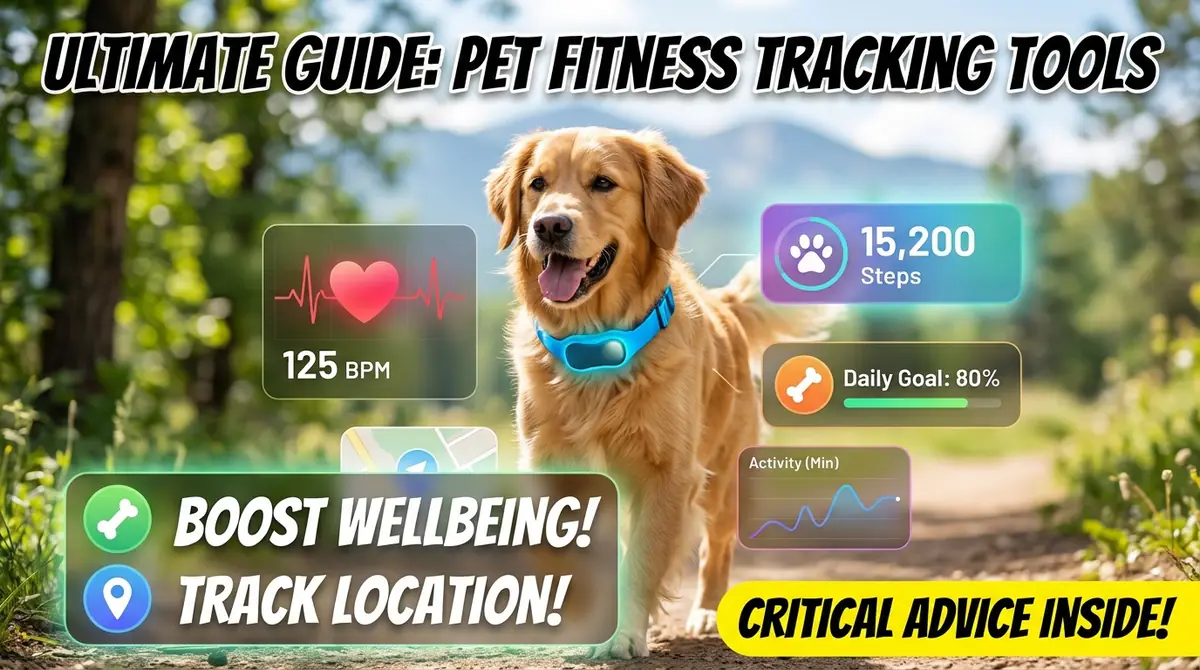
As smart tech invades every aspect of human life—from our smartwatches to our connected scales—it was only a matter of time before our four-legged family members joined the revolution. Pet fitness trackers have transformed from simple GPS collars into sophisticated health monitors capable of tracking daily steps, sleep patterns, scratch frequency, and heart rates. But with prices ranging from $30 to upwards of $200 (plus monthly subscription fees), pet parents are asking one crucial question: Is a pet fitness tracker actually worth the investment?
In this comprehensive guide, we unpack everything you need to know about wearable pet tech, how these devices work, who benefits most, and whether buying one will truly improve your pet’s quality of life.
Key Features to Look For in a Pet Fitness Monitor
Not all pet trackers are created equal. Depending on your primary goal—whether it’s weight management, escape prevention, or health monitoring—here are the core features you should evaluate:
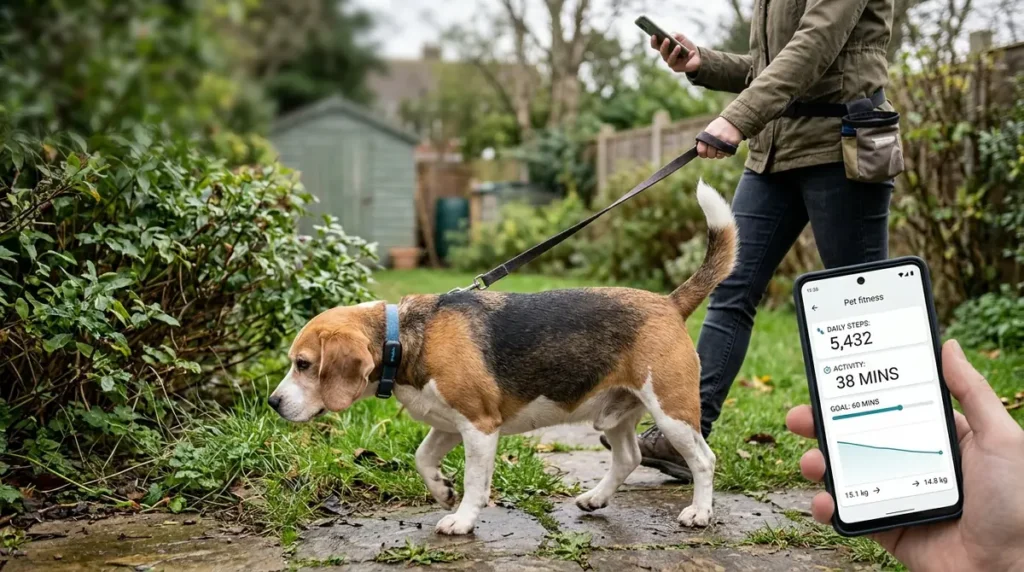
- Activity & Step Tracking: Measures daily movement, active minutes, and calories burned using multi-axis accelerometers calibrated for quadruped movement.
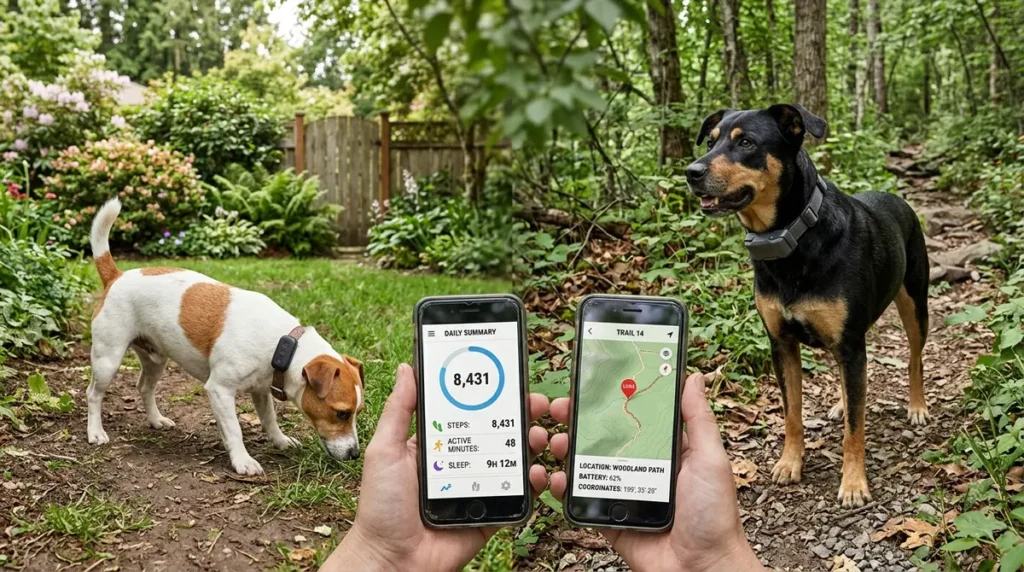
- GPS Location Tracking: Utilizes cellular network connectivity (LTE-M) to pinpoint your pet’s real-time location if they wander off or escape.
- Health & Itch/Scratch Monitoring: Tracks behavioral patterns like excessive scratching, licking, or restlessness, which can alert you to skin allergies, flea infestations, or pain.
- Sleep Quality Metrics: Analyzes rest cycles to ensure your pet gets adequate uninterrupted sleep.
- Battery Life & Durability: Look for waterproof ratings (IP67 or IP68) and long battery life (ranging from 3 days for real-time GPS to several months for Bluetooth-only trackers).
Top 3 Consumer Pain Points Pet Trackers Solve
- The “Invisible” Weight Gain: Over 50% of dogs and cats in developed countries are overweight or obese. Pet trackers quantify exercise so you don’t rely on guesswork.
- Early Disease Detection: Pets naturally mask pain and discomfort. A sudden drop in weekly activity or an increase in night restlessness often serves as an early indicator of arthritis, infections, or metabolic conditions.
- Escape Anxiety: For runaway dogs or outdoor cats, a tracker with built-in GPS offers immediate peace of mind through customizable virtual fences (Geofencing).
Who Should (and Shouldn’t) Buy a Pet Fitness Tracker?
- Ideal For: High-energy working breeds, pets on veterinarian-guided weight loss plans, senior pets monitoring joint health, and frequent outdoor adventure dogs.
- Skip If: Your pet rarely leaves your side in an apartment, is strictly an indoor sedentary cat with no health issues, or if you live in a rural area with zero cellular service required for GPS-based units.
How to Use a Pet Smart Tracker for Weight Loss and Obesity Management
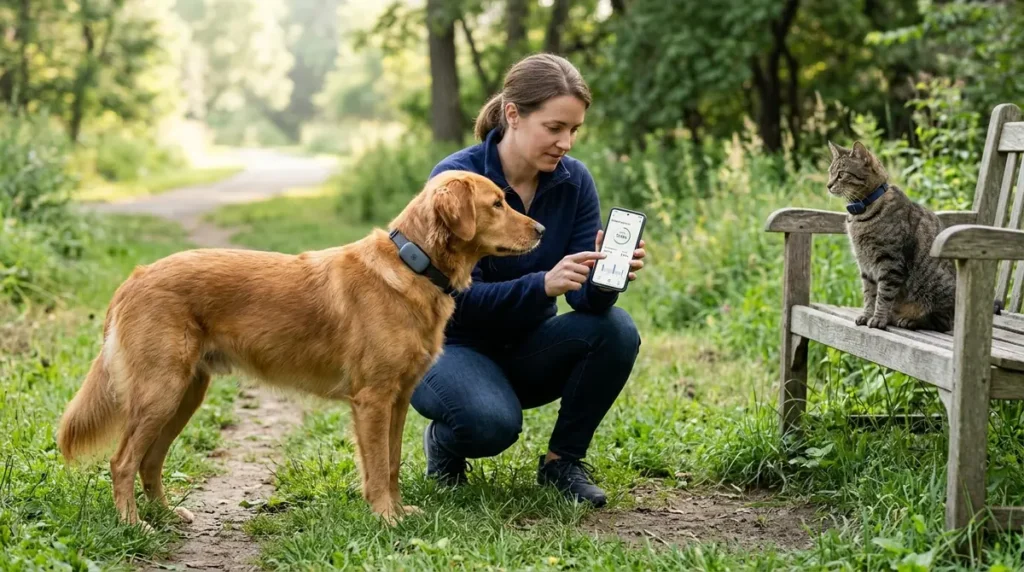
Pet obesity is a silent epidemic. Extra pounds put severe strain on your pet’s joints, heart, and internal organs, cutting their lifespan short by up to two years. While cutting back on kibble is crucial, physical exercise is the second half of the equation. This guide demonstrates how to turn a smart pet tracker into an actionable, daily fitness strategy to help your dog or cat shed weight safely.
Step-by-Step Weight Loss Strategy Using Smart Tech
Step 1: Establish Baseline Activity
Before making any changes to your pet’s routine, attach the fitness tracker and let them wear it for 7 to 10 days without changing their normal habits. This establishes your pet’s baseline daily movement score or step count.
Step 2: Set Realistic, Incremental Targets
Work with your veterinarian to establish a target weight. Using your tracker’s companion mobile app:
- Increase daily active minutes by 10% to 15% every two weeks.
- Avoid sudden, intense spikes in activity, which can lead to ligament strain or heat exhaustion.
Step 3: Monitor Active vs. Rest Minutes
A pet trotting around the yard isn’t always burning significant calories. Focus on “Moderate to High Intensity” activity metrics within your tracker app rather than total steps.
Step 4: Pair Calorie Output with Portion Control
Many top-tier pet fitness apps allow you to input your pet’s food brand, age, breed, and target weight. The app then correlates daily calorie burn with precise feeding portions.
Overcoming Common Weight Loss Hurdles
- Weather Constraints: If severe weather limits outdoor walks, use indoor games (stair climbing, hide-and-seek with low-calorie treats) to hit the daily movement quota shown on your tracker app.
- Multi-Pet Households: Ensure each pet has their own device profile so a lazy dog isn’t credited with an energetic companion’s movements.
GPS Trackers vs. Activity Monitors: Which Pet Tech Device Do You Need?
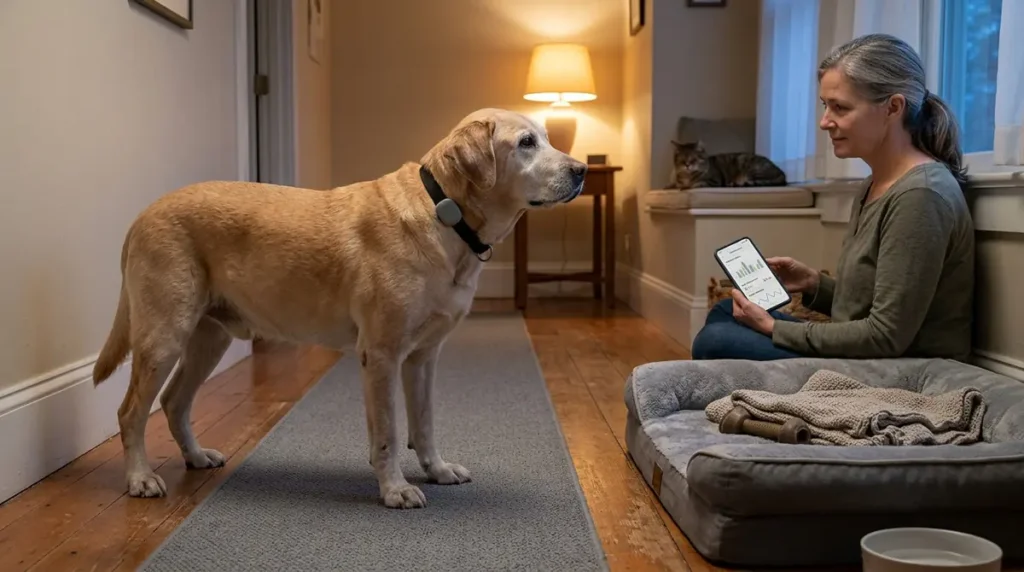
Shopping for wearable pet tech can quickly get confusing. Device manufacturers use terms like “health tracker,” “GPS collar,” and “activity monitor” interchangeably. However, buying the wrong device can leave you frustrated with unexpected subscription fees or missing features. Here is a clear breakdown comparing pure activity monitors with GPS-enabled tracking collars.
Comparison Breakdown
| Feature / Aspect | Pure Activity Monitors (e.g., PitPat, Animan) | GPS + Health Collars (e.g., Whistle, Tractive, Fi) |
| Primary Focus | Daily exercise, calorie tracking, sleep quality | Real-time escape tracking, location history, safety |
| Cellular Subscription Required? | No | Yes (Monthly or Annual Subscription Fee) |
| Battery Life | Long (3–12 months on CR2032 or rechargeable) | Short to Medium (2–14 days depending on live tracking usage) |
| Weight & Size | Ultra-lightweight; ideal for small dogs and cats | Slightly larger; best for pets over 8–10 lbs |
| Cost Range | $30 – $60 upfront (No recurring fees) | $50 – $150 upfront + $8 to $15/month subscription |
Deciding Which Device Is Right for You
- Choose an Activity Monitor if:
- You live in an enclosed space or your pet is never off-leash.
- You only care about calorie tracking, daily steps, and medical/health habits.
- You hate paying recurring monthly subscription fees.
- Choose a GPS + Health Tracker if:
- Your dog is a known escape artist, runner, or rescue dog prone to bolting.
- You take your dog off-leash hiking, hunting, or camping.
- You want an all-in-one safety net that tracks both location and health metrics.
Detecting Illness Early: How Pet Fitness Trackers Can Save Your Pet’s Life
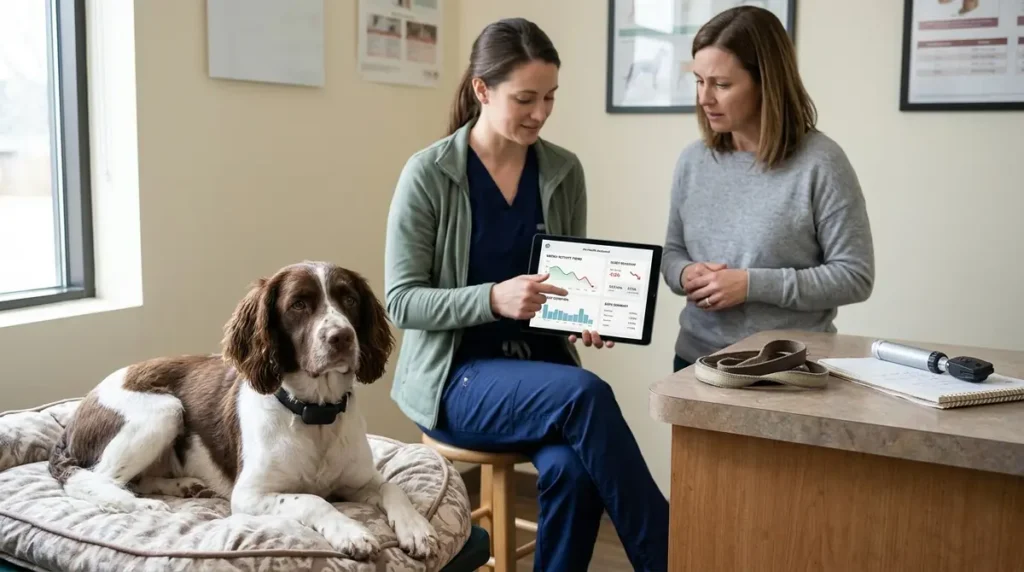
Dogs and cats are masters at hiding pain and illness—an evolutionary survival mechanism inherited from wild ancestors. By the time a pet shows overt physical symptoms like limping or refusal to eat, a medical condition may already be advanced. Smart pet wearables offer a breakthrough in preventative veterinary care by constantly gathering data on subtle physical behaviors.
4 Early Warning Signs Captured by Pet Wearables
1. Spike in Restlessness and Nighttime Activity
- What It Means: An unexplained surge in nighttime pacing or continuous position shifting often indicates chronic pain (such as canine arthritis), cognitive dysfunction, or internal discomfort.
2. Sharp Drop in Daily Movement
- What It Means: A sudden drop in total daily activity over a 24-to-48-hour window can precede fever, lethargy, kidney issues, or early soft tissue injuries before visual limping appears.
3. Increased Scratching and Licking Behaviors
- What It Means: Trackers equipped with continuous behavioral analysis quantify how many minutes per day your pet spends scratching or head-shaking. A steady rise indicates flea infestations, environmental allergies, or ear infections.
4. Disrupted Sleep Patterns
- What It Means: Changes in deep sleep versus light sleep metrics reflect stress levels, environmental temperature changes, or heart/respiratory conditions.
How to Share Wearable Data with Your Vet
- Export Weekly Reports: Most companion apps allow you to download PDF health summaries.
- Establish Baselines: Show your vet what your pet’s normal parameters look like so deviations stand out clearly.
- Correlate with Symptoms: Match high-scratch days or low-activity days with environmental changes (e.g., new food, hot weather, lawn treatments).
Smart Tech for Senior Pets: Monitoring Arthritis, Mobility, and Cognitive Decline
Caring for an aging dog or cat requires an adjusted mindset. As our senior pets slow down, maintaining joint mobility and cognitive function is crucial for their golden years. Smart pet fitness trackers aren’t just for young, athletic dogs—they are invaluable tools for monitoring senior pet wellness and managing age-related health conditions.
Managing Arthritis & Joint Health with Activity Data
Preventing Over-Exertion
Senior dogs with osteoarthritis benefit from consistent, low-impact exercise. However, doing too much on a single warm afternoon can leave them stiff and immobile for days.
- Using Tracker Limits: Set daily step caps or moderate-activity limits to ensure exercise is evenly distributed throughout the week.
Tracking Pain Medication Efficacy
When your veterinarian prescribes anti-inflammatory medication or joint supplements, evaluating efficacy can feel subjective.
- Objective Validation: Use your tracker to measure whether overall monthly activity and agility scores increase after starting a new treatment regimen.
Monitoring Canine Cognitive Dysfunction (Dementia)
Older pets frequently suffer from cognitive decline, which disrupts sleep-wake cycles.
- Sun-Downing Symptoms: Trackers record pacing and confusion during evening hours.
- Sleep Quality Index: Monitoring deep sleep metrics helps determine if calming supplements or veterinarian intervention is needed.
Top 5 Best Pet Fitness Trackers : Hands-On Features & Buying Guide
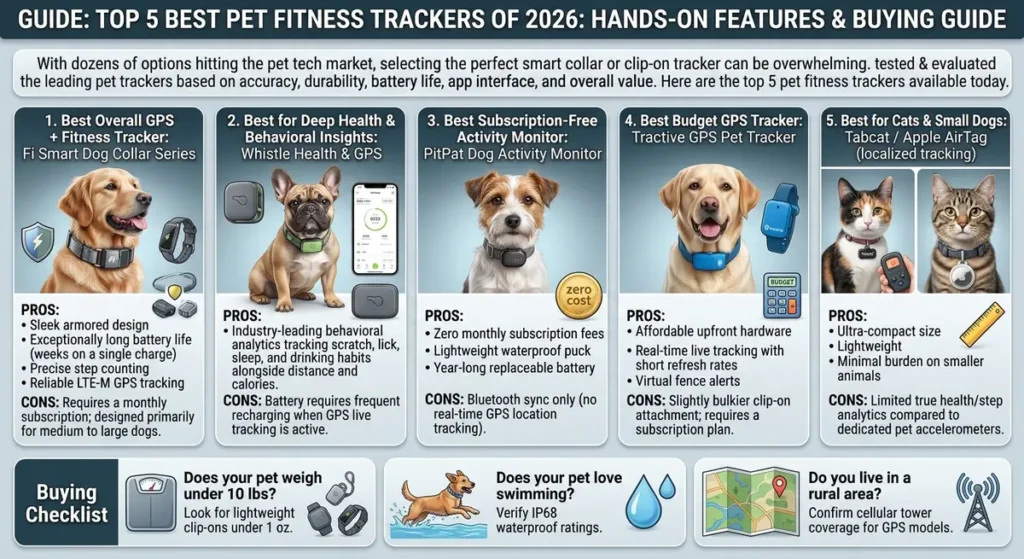
With dozens of options hitting the pet tech market, selecting the perfect smart collar or clip-on tracker can be overwhelming. We tested and evaluated the leading pet trackers based on accuracy, durability, battery life, app interface, and overall value. Here are the top 5 pet fitness trackers available today.
Product Round-Up & Reviews
1. Best Overall GPS + Fitness Tracker: Fi Smart Dog Collar Series
- Pros: Sleek armored design, exceptionally long battery life (weeks on a single charge), precise step counting, and reliable LTE-M GPS tracking.
- Cons: Requires a monthly subscription; designed primarily for medium to large dogs.
2. Best for Deep Health & Behavioral Insights: Whistle Health & GPS
- Pros: Industry-leading behavioral analytics tracking scratch, lick, sleep, and drinking habits alongside distance and calories.
- Cons: Battery requires frequent recharging when GPS live tracking is active.
3. Best Subscription-Free Activity Monitor: PitPat Dog Activity Monitor
- Pros: Zero monthly subscription fees, lightweight waterproof puck, year-long replaceable battery.
- Cons: Bluetooth sync only (no real-time GPS location tracking).
4. Best Budget GPS Tracker: Tractive GPS Pet Tracker
- Pros: Affordable upfront hardware price, real-time live tracking with short refresh rates, virtual fence alerts.
- Cons: Slightly bulkier clip-on attachment; requires a subscription plan.
5. Best for Cats & Small Dogs: Tabcat / Apple AirTag (for localized tracking)
- Pros: Ultra-compact size, lightweight, minimal burden on smaller animals.
- Cons: Limited true health/step analytics compared to dedicated pet accelerometers.
Buying Checklist
- Does your pet weigh under 10 lbs? Look for lightweight clip-ons under 1 oz.
- Does your pet love swimming? Verify IP68 waterproof ratings.
- Do you live in a rural area? Confirm cellular tower coverage for GPS models.
How to Set Up and Optimize Your Pet Tracker for Maximum Accuracy
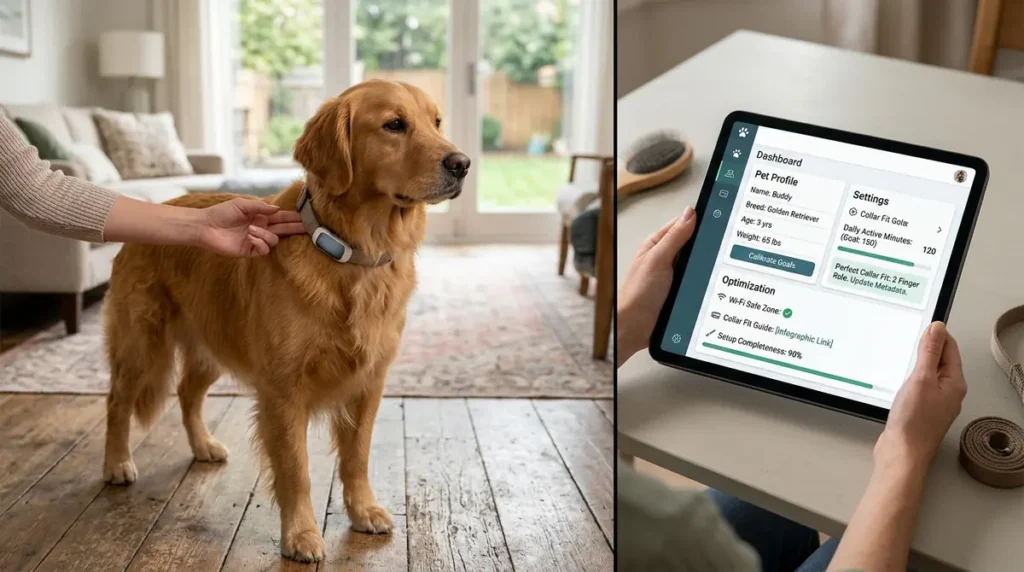
So, you’ve unboxed your new pet fitness tracker—now what? Simply clipping the device to a collar isn’t enough to get accurate health data. Improper collar fit, incorrect user settings, or misconfigured sync zones can result in wildly inaccurate step counts and drained batteries. Here is how to set up your pet’s smart tracker for optimal performance.
Setup & Optimization Steps
Step 1: Input Accurate Pet Metadata
Step-counting algorithms rely on physics and animal biometrics. Ensure you accurately enter:
- Exact weight and target weight.
- Breed or primary breed mix (determines stride length and baseline activity norms).
- Age and spay/neuter status.
Step 2: Perfect the Collar Fit
- Too Loose: A dangling collar causes excess movement, registering false activity points or itch alerts when your dog is simply shaking off.
- Too Tight: Causes discomfort and restricts movement.
- Rule of Thumb: You should easily fit two fingers under the collar band while the tracker rests snugly against the nape of the neck or back.
Step 3: Set Up Wi-Fi Safe Zones (For GPS Wearables)
Most GPS pet collars stay in low-power mode when connected to your home Wi-Fi network.
- Configure your primary router as a “Safe Zone” in the app to extend battery life from days to weeks.
Step 4: Calibrate Daily Fitness Goals
Avoid generic default settings! Adjust daily active goals based on your pet’s life stage:
- Puppies / Working Breeds: Higher goal targets with frequent short activity bursts.
- Senior / Adult Breeds: Moderate targets focusing on consistent low-impact movement.
Summary Checklist for Success
- Charge completely before first use.
- Secure tracker firmly to avoid collar dangle.
- Set home Wi-Fi base stations.
- Review daily data weekly to adjust activity plans.