Animal Oral Hygiene Facts: Everything You Need to Know About Keeping Animals’ Teeth Healthy
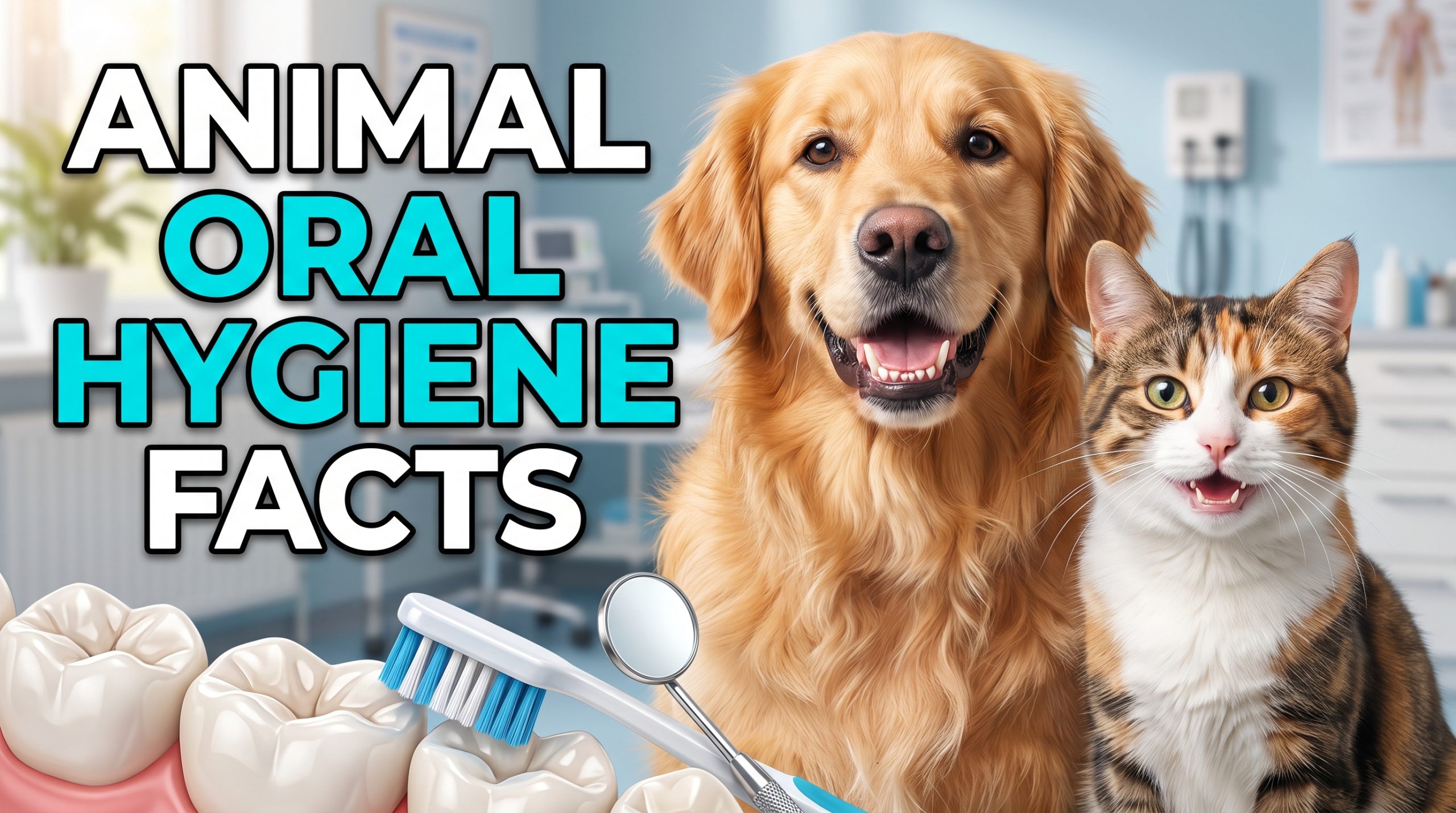
Animal oral hygiene is an important part of overall animal health, yet it is often overlooked by pet owners and animal caregivers. Just like humans, animals rely on healthy teeth, gums, and mouths to eat comfortably, maintain proper nutrition, and enjoy a good quality of life. From dogs and cats to rabbits, horses, and farm animals, oral health plays a vital role in their daily lives.
Poor oral hygiene can lead to plaque buildup, tartar, gum inflammation, tooth loss, mouth pain, and infections. In some cases, dental problems can also affect an animal’s ability to eat and behave normally. Understanding animal oral hygiene facts can help pet owners recognize early warning signs, develop better dental care routines, and seek veterinary treatment when necessary.
In this comprehensive guide, you will discover important facts about animal teeth and gums, how different species maintain oral health, common dental diseases, effective cleaning methods, warning signs of dental problems, and practical tips for keeping animals’ mouths healthy.
What Is Animal Oral Hygiene?
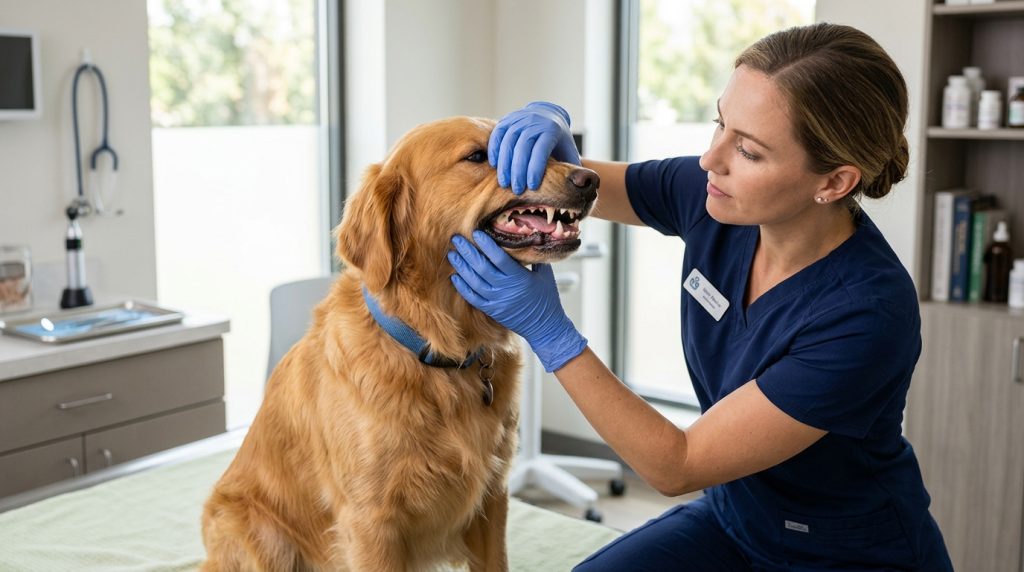
Animal oral hygiene refers to the practices used to keep an animal’s teeth, gums, tongue, and other oral tissues clean and healthy. It involves preventing plaque and tartar buildup, reducing harmful bacteria, identifying dental problems early, and ensuring that animals receive appropriate dental care.
Oral hygiene varies depending on the animal’s species, diet, tooth structure, and natural behavior. For example, a dog’s dental care routine may include toothbrushing with animal-safe toothpaste, while a rabbit’s dental health depends heavily on continuous chewing of suitable fibrous foods and regular monitoring of its continuously growing teeth.
A complete oral hygiene routine may include:
- Regular examination of the teeth and gums.
- Toothbrushing when appropriate for the species.
- Providing suitable food and safe chewing opportunities.
- Monitoring eating habits and changes in behavior.
- Scheduling veterinary dental examinations.
- Treating dental diseases before they become severe.
Important fact: Animals can experience significant dental pain without showing obvious signs. Regular observation and preventive care are therefore essential, even when an animal appears healthy.
15 Important Animal Oral Hygiene Facts
- Animals can develop plaque just like humans.
Plaque is a sticky film containing bacteria that forms on tooth surfaces. When plaque accumulates and combines with minerals in saliva, it can harden into tartar. Without appropriate dental care, this buildup can contribute to gum inflammation and periodontal disease.
- Different animals have different numbers of teeth.
Adult dogs usually have 42 teeth, adult cats have 30, and adult humans generally have 32 permanent teeth, including wisdom teeth. Rabbits typically have 28 teeth, while adult horses commonly have 36–44, depending on the presence of certain teeth.
- Toothbrushing is highly beneficial for many pets.
For dogs and cats, regular brushing helps remove plaque before it hardens. Daily brushing is an excellent goal when tolerated, although any safe, consistent brushing routine can be beneficial. Use a soft toothbrush and toothpaste specifically formulated for animals.
- Bad breath may indicate an underlying problem.
Persistent unpleasant breath can be associated with plaque, tartar, gum disease, infected teeth, or other medical conditions. It should not automatically be dismissed as normal, particularly if it occurs alongside drooling, bleeding gums, or difficulty eating.
- Rabbits need constant opportunities to chew.
Rabbit teeth grow continuously throughout life. A suitable diet rich in grass hay supports normal chewing and tooth wear. Dental problems can still occur, however, because of misalignment, abnormal growth, injury, or other conditions.
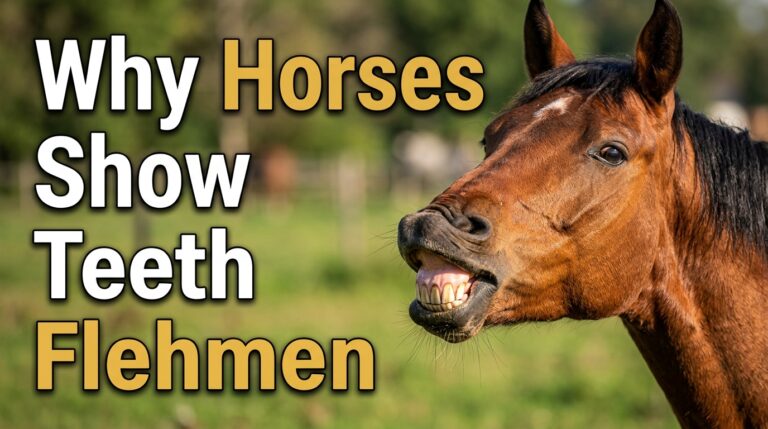
- Horses require specialized dental care.
Horses have high-crowned teeth adapted for grinding fibrous plant material. Uneven wear can produce sharp enamel points or other abnormalities that interfere with chewing. Equine dental examinations help identify these issues before they become more serious.
- Chewing does not replace toothbrushing.
Certain dental chews and toys may help reduce plaque, but their effectiveness varies. Extremely hard objects, including antlers, hard bones, and some hard nylon chews, can fracture teeth. Choose appropriately sized products designed for the animal and supervise chewing.
- Gum disease can cause pain and tooth loss.
Periodontal disease develops when inflammation and infection damage the tissues supporting teeth. Advanced disease can cause gum recession, bone loss, loose teeth, and tooth loss. Early veterinary intervention can help prevent further damage.
- Changes in eating habits can signal dental pain.
Animals with oral discomfort may chew on one side, drop food, avoid hard food, eat more slowly, or refuse meals. Some continue eating despite considerable pain, so a normal appetite does not rule out dental disease.
- Small dogs may be particularly prone to dental problems.
Many small and toy dog breeds have crowded teeth, which can create areas where plaque accumulates. Individual risk varies, but small dogs often benefit from careful home dental care and regular professional examinations.
- Professional dental cleaning may be necessary.
Once tartar has hardened, brushing cannot reliably remove it. Veterinary dental cleaning can remove deposits from above and below the gum line and allow a more complete assessment of oral health. Dogs and cats generally require anesthesia for a thorough, safe dental procedure.
- Cats can develop painful tooth resorption.
Feline tooth resorption is a common and often painful condition in which the tooth structure gradually breaks down. The damage may be difficult to see without a veterinary examination and dental X-rays. A cat may continue eating even when affected.
- Dental problems may affect overall well-being.
Oral pain can interfere with eating, sleep, grooming, and normal behavior. Advanced periodontal disease can involve deeper tissues and may be associated with other health concerns. Dental care is important, but it should not be assumed that every oral problem causes disease in distant organs.
- Dental care should begin early in life.
Puppies and kittens can gradually become comfortable with gentle mouth handling and toothbrushing. Early training helps make future dental care easier. Young animals should also receive checks for retained baby teeth, abnormal bites, and other developmental issues.
- Small animals also need careful dental monitoring.
Guinea pigs, chinchillas, and other herbivorous small mammals can develop overgrown or misaligned teeth. Changes in chewing, reduced droppings, weight loss, drooling, or difficulty eating require prompt veterinary attention.
Common Oral and Dental Problems in Animals
Animals can develop several types of dental disease. Some conditions are caused by plaque accumulation, while others result from tooth injuries, abnormal growth, infections, or species-specific dental problems.
-
Plaque and tartar buildup
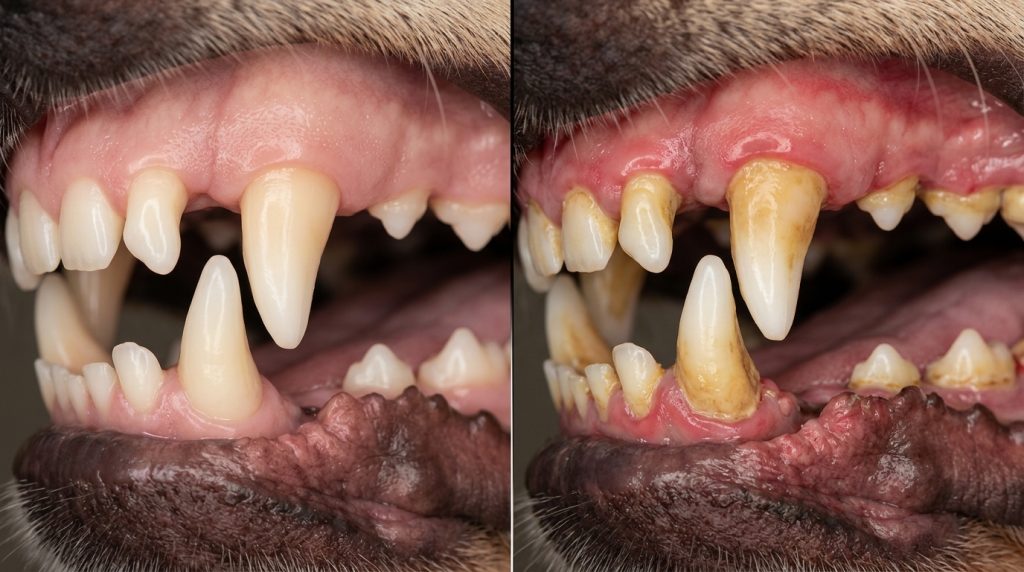
Plaque is a soft, sticky film that forms on teeth. It contains bacteria and other material from the mouth. If plaque is not removed regularly, it can mineralize into a hard deposit called tartar, also known as calculus.
Tartar can make teeth appear yellow or brown, particularly near the gum line. Its rough surface can encourage further plaque accumulation, increasing the risk of gum inflammation.
Prevention: Regular toothbrushing, suitable veterinary-approved dental products, and professional examinations can help control plaque and tartar. Hardened deposits generally require professional removal.
American Veterinary Medical Association
-
Gingivitis
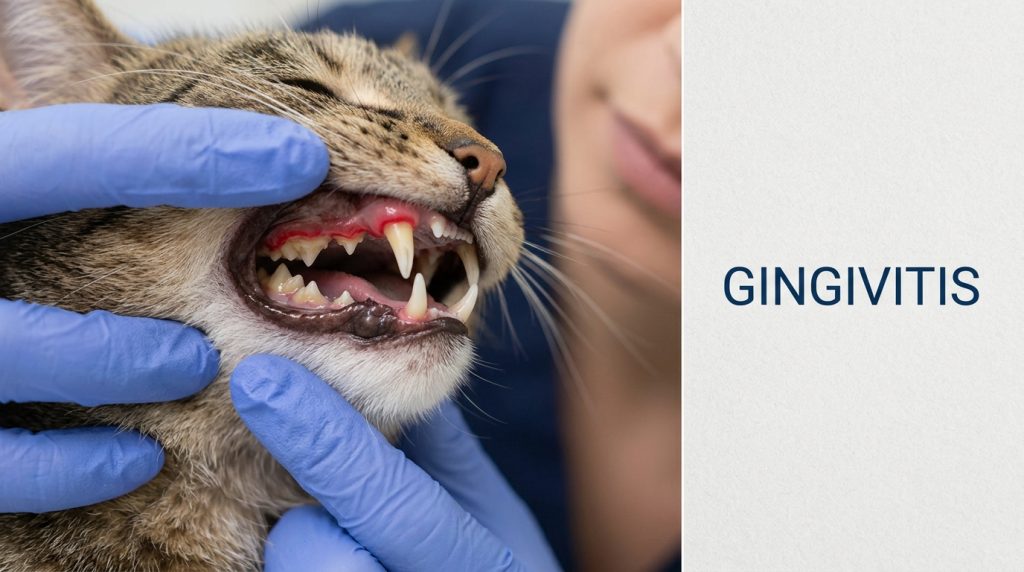
Gingivitis is inflammation of the gums. The gums may become red, swollen, tender, or prone to bleeding. It commonly develops when plaque accumulates around the gum line.
The good news is that gingivitis can often be reversed with appropriate professional treatment and effective home care. However, untreated inflammation may progress to more serious periodontal disease.
Warning signs: Red gum margins, bleeding during chewing, bad breath, and sensitivity around the mouth.
- Periodontal disease
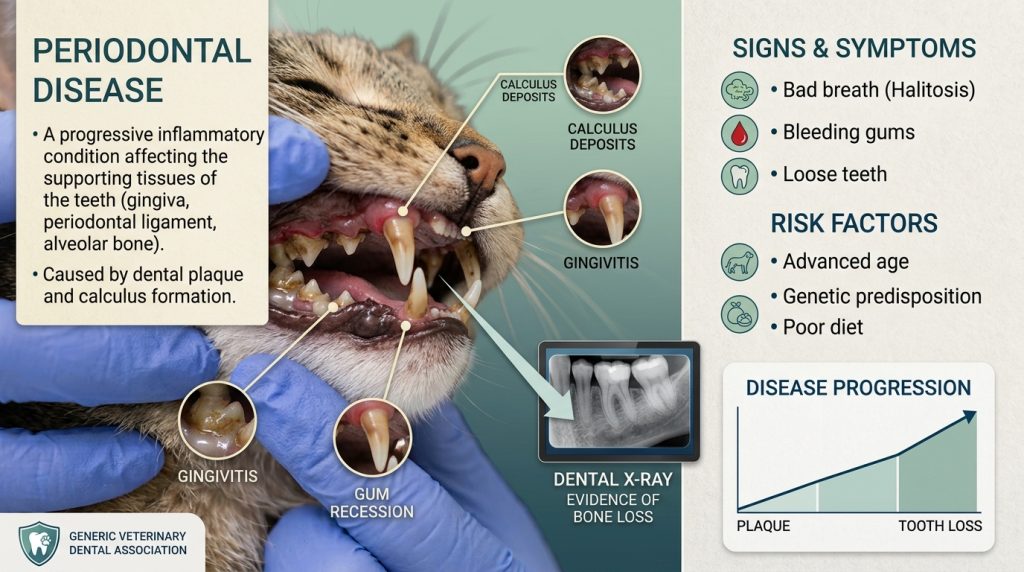
Periodontal disease affects the tissues that support the teeth, including the gums, ligaments, and surrounding bone. It can begin with gingivitis and progress when the underlying problem is not controlled.
As the disease advances, an animal may develop gum recession, loose teeth, infections, and tooth loss. Damage to the supporting structures may be irreversible, making early detection especially important.
Dogs and cats are particularly susceptible to periodontal disease, and the risk often increases with age. However, animals of any age can develop dental problems.
American Veterinary Medical Association
-
Tooth fractures and broken teeth
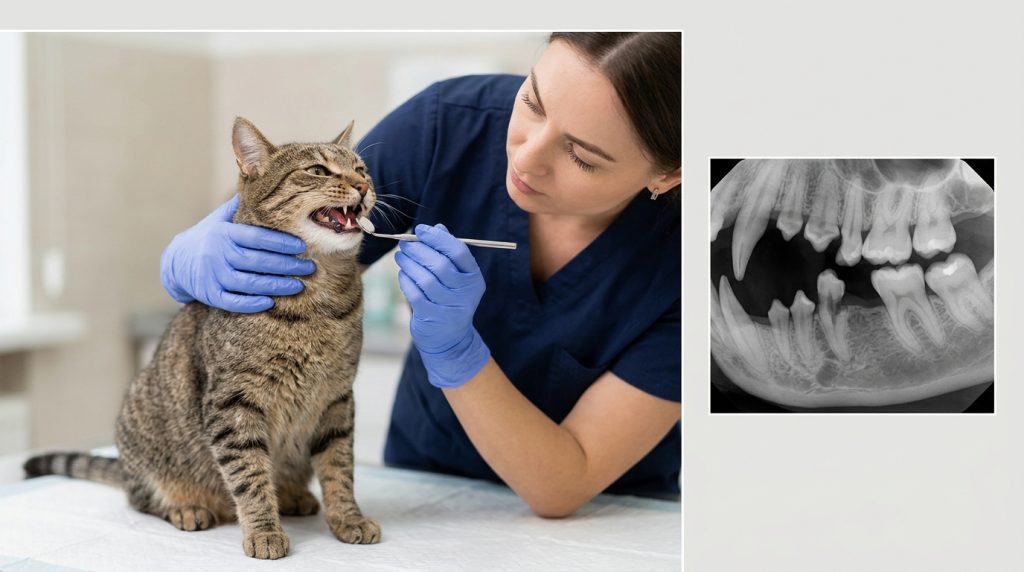
Teeth can fracture when animals chew on extremely hard objects, suffer an accident, or experience trauma. A broken tooth may expose sensitive inner tissues, causing pain and allowing infection to develop.
Some animals continue eating even with a fractured tooth, so normal eating does not guarantee that the mouth is healthy.
What to do: Contact a veterinarian if you notice a broken, cracked, or discolored tooth. Avoid trying to remove or repair it yourself.
-
Tooth abscesses
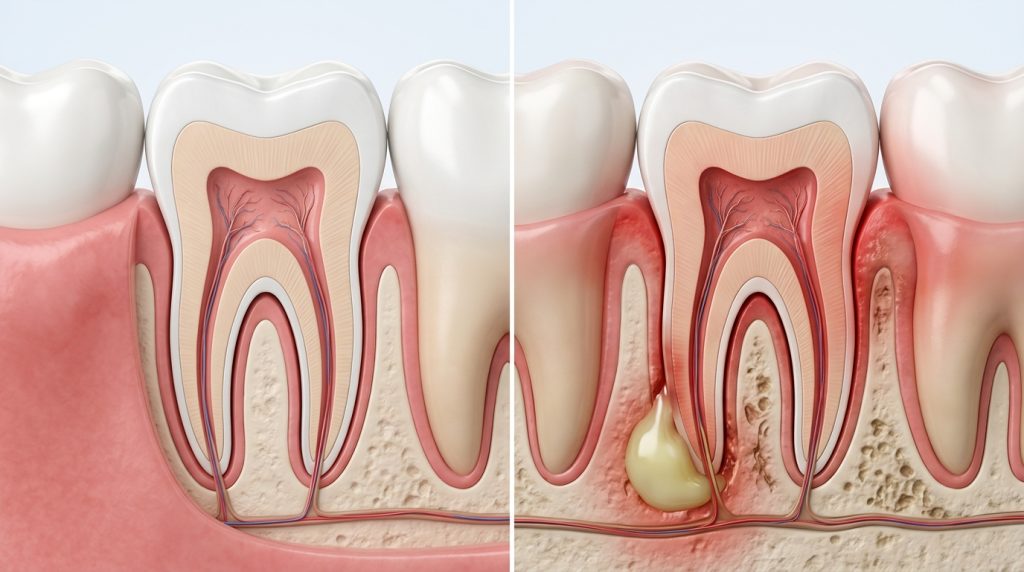
A tooth abscess is a collection of infected material associated with a tooth or its surrounding tissues. It may develop following tooth damage, advanced dental disease, or infection.
Possible signs include facial swelling, pain, reluctance to eat, drooling, and discharge. Some abscesses are hidden beneath the gum line or within deeper tissues.
A suspected abscess requires prompt veterinary assessment because treatment may involve dental imaging, medication, drainage, or removal of the affected tooth.
-
Malocclusion and abnormal tooth growth
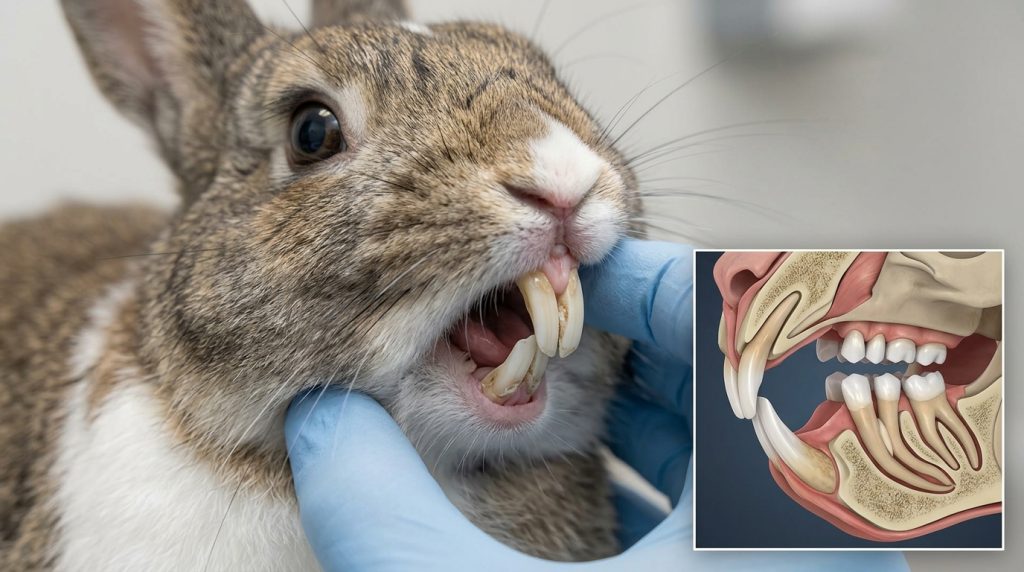
Malocclusion means that the upper and lower teeth do not align correctly. It can be inherited, develop during growth, or result from injury and other dental problems.
Abnormal alignment may prevent teeth from wearing down normally. In rabbits and other animals whose teeth grow continuously, this can cause overgrown teeth, mouth injuries, and difficulty eating.
Veterinary treatment depends on the species, affected teeth, and underlying cause. Rabbit dental problems, for example, may require a specialized examination and imaging.
Merck Veterinary Manual
-
Tooth resorption in cats
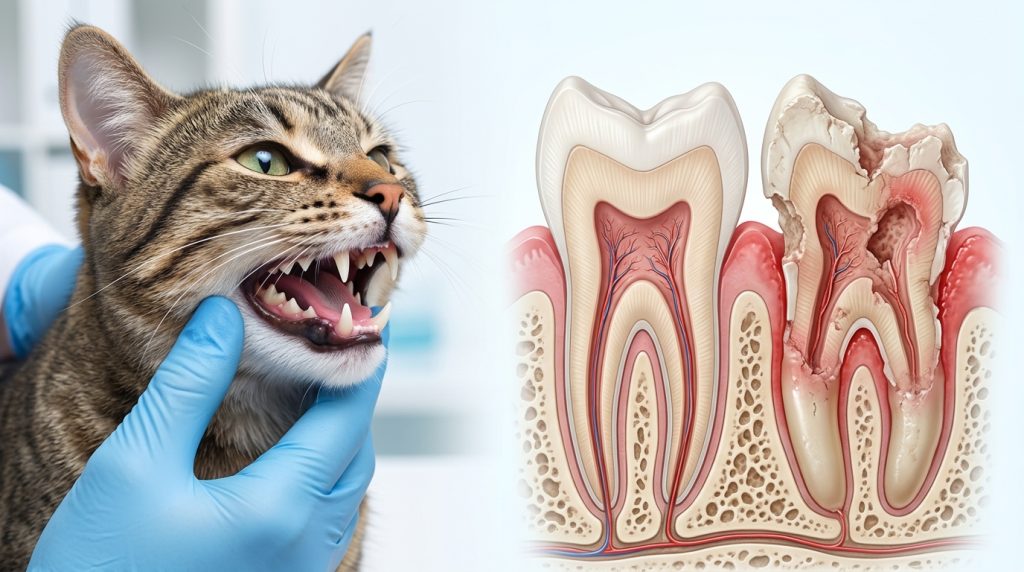
Tooth resorption is a condition in which the structure of a tooth gradually breaks down. It can be extremely painful and may affect the tooth’s crown, root, or both.
Cats may show few obvious symptoms. Some begin swallowing food without chewing properly, prefer softer food, tilt their heads while eating, or react when their mouths are touched.
A veterinarian may need dental X-rays to identify affected teeth and determine appropriate treatment. Painful or significantly damaged teeth often require extraction.
Cornell Vet College
-
Oral injuries and mouth infections
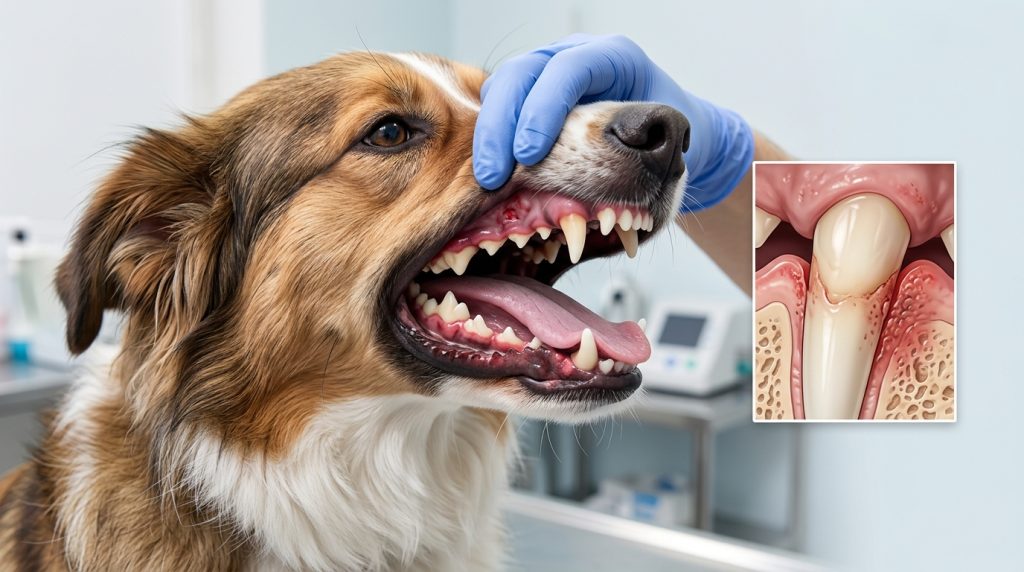
Cuts, foreign objects, burns, and other injuries can damage the tongue, gums, lips, or inner cheeks. Infections may develop if tissues are damaged or a foreign object becomes embedded.
Animals that chew sticks, bones, plants, or unsuitable toys may injure their mouths.
Excessive drooling, bleeding, swelling, persistent pawing at the mouth, or difficulty swallowing should not be ignored. Seek veterinary help rather than reaching deep into an animal’s mouth to remove an object.
Animal Oral Hygiene by Species
One of the most important animal oral hygiene facts is that there is no single dental-care routine suitable for every species. Dogs, cats, rabbits, horses, and other animals have different teeth, diets, and dental risks.
Dogs
Dogs have teeth adapted for gripping, tearing, and chewing. Their oral health can be affected by plaque, tartar, gum disease, tooth fractures, and retained baby teeth.
Recommended care:
- Brush with a soft toothbrush and dog-safe toothpaste.
- Choose dental chews appropriate for the dog’s size and chewing habits.
- Check the mouth regularly for red gums, damaged teeth, or unusual odors.
- Arrange veterinary dental examinations and treatment as needed.
Avoid human toothpaste, especially products containing xylitol, which is toxic to dogs.
Cats
Cats use their teeth for catching prey, tearing food, and grooming. They can develop periodontal disease, gingivitis, tooth resorption, and other painful oral conditions.
Recommended care:
- Introduce gentle mouth handling gradually.
- Brush with cat-safe toothpaste when tolerated.
- Monitor chewing behavior, appetite, and drooling.
- Seek veterinary assessment if the cat develops bad breath or seems reluctant to eat.
Cats can hide discomfort remarkably well, so regular dental checks are important even when their behavior seems normal.
Rabbits
Rabbit teeth grow continuously, and suitable chewing helps maintain normal tooth length. A diet that does not provide enough appropriate fibrous material can contribute to dental problems.
Recommended care:
- Provide unlimited good-quality grass hay, suitable for the rabbit’s needs.
- Offer fresh water and a balanced rabbit diet.
- Monitor appetite, droppings, weight, and chewing behavior.
- Arrange examinations with a veterinarian experienced in rabbit care.
Drooling, a wet chin, weight loss, or reduced eating may indicate painful dental disease. A rabbit that stops eating needs urgent veterinary attention.
Merck Veterinary Manual
Horses
Horses depend on their teeth to grind grass, hay, and other forage. Uneven wear, sharp enamel points, misalignment, and damaged teeth can interfere with chewing.
Recommended care:
- Arrange dental examinations with a qualified equine veterinarian.
- Observe whether the horse drops partially chewed food or loses weight.
- Watch for changes in head position, bridle acceptance, or chewing behavior.
- Follow professional advice about examination intervals and treatment.
Horses need specialized dental procedures; owners should not attempt to file teeth or perform invasive treatments themselves.
AAEP
Guinea pigs and chinchillas
These herbivorous small mammals have teeth that grow continuously. Proper nutrition and appropriate chewing opportunities are essential for maintaining normal tooth wear.
Recommended care:
- Provide suitable grass hay as a central part of the diet.
- Monitor eating, droppings, and body weight.
- Watch for drooling, facial swelling, or difficulty chewing.
- Seek care from a veterinarian experienced with small mammals.
Reduced food intake can become dangerous quickly in these animals, so dental concerns should be addressed promptly.
Cattle, sheep, and goats
These animals have specialized teeth for grazing and grinding plant material. Dental wear, missing teeth, injuries, and age-related changes can reduce their ability to use feed efficiently.
Recommended care:
- Observe grazing and chewing behavior.
- Monitor body condition and weight.
- Watch for feed dropping, excessive salivation, or difficulty chewing.
- Consult a livestock veterinarian if dental problems are suspected.
Dental health matters for both animal welfare and productive feeding.
How to Brush an Animal’s Teeth Safely
For dogs and cats, toothbrushing is one of the most effective ways to control plaque at home. The goal is to build a gentle, consistent routine rather than force the animal to tolerate brushing immediately. The American Veterinary Medical Association recommends frequent brushing, with daily brushing being ideal when practical.
American Veterinary Medical Association
Step 1: Choose the correct supplies
Use a soft-bristled pet toothbrush, finger brush if appropriate, and toothpaste specifically formulated for the animal. Do not use human toothpaste.
Step 2: Introduce mouth handling gradually
Begin by gently touching the cheeks and lips when the animal is calm. Reward relaxed behavior and stop if the animal becomes distressed.
Step 3: Let the animal become familiar with the toothpaste
Allow it to smell and, if the product instructions permit, taste a small amount. Use positive reinforcement to make the experience more comfortable.
Step 4: Brush the outer tooth surfaces
Gently lift the lip and brush the outside surfaces of the teeth using small, controlled movements. Pay attention to the gum line, where plaque commonly accumulates.
Step 5: Finish positively and build consistency
Keep early sessions short. Praise the animal and gradually extend brushing time as it becomes comfortable. A few calm seconds are better than a stressful struggle.
Safety note: Never force open an animal’s mouth if it is painful, frightened, or resisting strongly. A painful animal may bite. If the mouth appears injured or the animal already has signs of dental disease, arrange a veterinary examination before attempting home care.
What Foods and Dental Products Help Keep Animal Teeth Healthy?
Food and dental products can support oral health, but their benefits depend on the animal, the product, and how it is used.
Foods and feeding practices that can help
- Appropriate balanced diets: Provide the nutrients needed for healthy growth and maintenance.
- Grass hay for rabbits and guinea pigs: Supports the chewing and tooth-wearing process in these species.
- Veterinary-recommended dental diets: Certain specially formulated diets may help reduce plaque or tartar in dogs and cats.
- Fresh, clean water: Supports normal hydration and general health.
- Species-appropriate feeding: Consider the animal’s age, dental structure, medical needs, and nutritional requirements.
Dental chews and toys
Some dental chews, toys, and oral-care diets have evidence supporting their effectiveness. Look for products specifically designed for the species and, where available, evaluated by a recognized veterinary dental program.
However, no chew is suitable for every animal. Avoid objects so hard that they may fracture teeth, and select a size and design appropriate for the animal’s chewing style. Dental chews should supplement, not automatically replace, brushing and veterinary care.
Foods and products to avoid
- Human toothpaste: May contain ingredients unsuitable or toxic to pets.
- Xylitol-containing products: Xylitol is particularly dangerous to dogs.
- Extremely hard bones, antlers, and objects: These can cause tooth fractures.
- Unapproved human mouthwash: It is not a substitute for veterinary dental treatment.
- Home remedies used instead of treatment: Oils, powders, or other remedies should not be relied on to treat established dental disease.
Never give a product to an animal solely because it is marketed as natural or safe for humans. Confirm that it is suitable for the species and follow veterinary advice.
Warning Signs of Poor Oral Hygiene in Animals
Recognizing dental problems early can prevent unnecessary discomfort and help animals receive appropriate treatment before a condition becomes more severe.
The American Veterinary Medical Association recommends veterinary assessment when pets show signs such as bad breath, damaged teeth, abnormal chewing, bleeding, or swelling around the mouth.
American Veterinary Medical Association
Look for the following warning signs:
|
Warning sign |
What it may indicate |
|
Persistent bad breath |
Plaque, gum disease, infection, or another medical problem |
| Red or bleeding gums | Gingivitis, injury, or inflammation |
| Yellow or brown deposits | Tartar buildup |
| Loose or broken teeth | Dental disease, injury, or structural damage |
| Excessive drooling | Oral pain, irritation, or difficulty swallowing |
| Dropping food while eating | Pain, abnormal teeth, or difficulty chewing |
| Reduced appetite | Dental pain or another illness |
| Swelling around the face or jaw | Infection, abscess, injury, or another underlying condition |
| Pawing at the mouth | Discomfort, irritation, or a foreign object |
| Weight loss | Difficulty eating or a broader health problem |
These signs are not definitive diagnoses. A veterinarian must determine the actual cause.
When is veterinary care urgent?
Seek prompt veterinary care if an animal develops facial swelling, significant mouth bleeding, a suspected tooth abscess, or sudden difficulty eating. Breathing difficulties, choking, uncontrolled bleeding, or an inability to swallow require emergency assessment. A rabbit, guinea pig, or other small herbivore that stops eating should be assessed urgently.
How Often Should Animals Receive Dental Checkups?
There is no universal schedule for every species. The appropriate frequency depends on age, medical history, diet, existing dental disease, and individual risk.
For dogs and cats, the American Veterinary Medical Association recommends that teeth and gums be checked by a veterinarian at least once a year, with earlier examinations when warning signs appear. Some animals need more frequent monitoring or professional treatment.
American Veterinary Medical Association
| Animal | General dental-care approach |
| Dogs | Regular home care and at least annual veterinary dental assessment |
| Cats | Regular observation and at least annual veterinary dental assessment |
| Rabbits | Ongoing monitoring of eating and tooth condition, with veterinary examinations as advised |
| Guinea pigs and chinchillas | Regular observation and veterinary assessment based on individual needs |
| Horses | Periodic examinations by an equine veterinarian, with frequency based on age, condition, and workload |
| Cattle, sheep, and goats | Dental assessment when indicated by age, feeding difficulties, weight changes, or veterinary herd-health advice |
These are general guidelines, not fixed schedules for every animal. Animals with established dental disease, developmental abnormalities, or previous dental procedures may require a different plan.
What Happens During a Professional Animal Dental Cleaning?
Professional dental care is more comprehensive than simply removing visible deposits from the teeth.
For dogs and cats, a veterinary dental procedure may involve several stages.
- Pre-procedure assessment: The veterinarian reviews the animal’s health and determines whether blood tests or other checks are appropriate.
- Anesthesia and monitoring: A thorough cleaning generally requires general anesthesia so the veterinarian can examine the mouth safely and clean below the gumline.
- Dental examination: The veterinarian checks the teeth, gums, bite, and other oral tissues for signs of disease or injury.
- Scaling: Specialized instruments remove plaque and hardened tartar from tooth surfaces, including areas beneath the gumline.
- Dental X-rays when indicated: Imaging helps assess roots and supporting structures that cannot be evaluated through a visual examination alone.
- Treatment: Damaged or diseased teeth may need additional treatment or extraction.
- Recovery and home-care planning: The veterinarian provides recovery instructions and recommendations for preventing future problems.
Anesthesia-free cleaning is not considered an adequate substitute for comprehensive veterinary dental cleaning because it cannot reliably address disease beneath the gumline.
American Veterinary Medical Association
For horses, rabbits, and other species, procedures and anesthesia requirements differ. Dental treatment should be performed by a veterinarian with appropriate species-specific training.
Can Animal Dental Disease Affect Overall Health?
Yes. Oral disease can affect an animal’s comfort, feeding behavior, and general well-being.
When teeth hurt, animals may chew less effectively, avoid particular foods, or eat smaller amounts. Over time, these changes may contribute to weight loss or nutritional problems. Chronic pain can also affect behavior, activity, and quality of life.
Advanced periodontal disease can damage the structures supporting teeth and allow infection to develop. Veterinary research has also identified associations between periodontal disease and changes involving other body systems, although an association does not necessarily prove that dental disease directly causes every related condition.
American Veterinary Medical Association
Maintaining oral health is therefore an important component of preventive veterinary care, alongside appropriate nutrition, exercise, vaccinations, parasite prevention, and routine health examinations.
Common Myths About Animal Oral Hygiene
Several misconceptions can prevent animals from receiving appropriate dental care.
Myth 1: Bad breath is normal in pets.
Fact: Persistent unpleasant breath can be a sign of dental disease or another health problem. It deserves attention rather than being dismissed.
Myth 2: Dry food always cleans animals’ teeth.
Fact: Ordinary dry food does not reliably prevent dental disease. Some specially designed dental diets can help, but their effectiveness depends on their formulation.
Myth 3: Animals will stop eating if their teeth hurt.
Fact: Many animals continue eating despite dental pain. Changes in chewing, food preferences, or behavior may be the only obvious signs.
Myth 4: Giving a dog a bone is the best way to clean its teeth.
Fact: Hard bones can fracture teeth and may cause additional injuries. Safer dental products and brushing are preferable options.
Myth 5: Dental problems only affect old animals.
Fact: Young animals can develop retained baby teeth, bite abnormalities, injuries, and early plaque accumulation. Dental care should begin early.
Myth 6: If teeth look white, they must be healthy.
Fact: Problems may exist beneath the gumline or inside the tooth even when the visible surface looks normal. Professional examination may be needed.
Frequently Asked Questions About Animal Oral Hygiene
- Why is oral hygiene important for animals?
Oral hygiene helps control plaque, reduce the risk of gum disease, protect teeth, and support comfortable eating. It also helps caregivers identify dental problems before they progress.
- How can I tell if my pet has dental disease?
Look for persistent bad breath, red gums, visible tartar, drooling, damaged teeth, changes in chewing, or reduced appetite. Some animals show very few signs, so regular veterinary examinations remain important.
- Can I use human toothpaste on my dog or cat?
No. Use toothpaste formulated specifically for the animal. Human toothpaste may contain ingredients that are unsuitable or toxic to pets, and it is not designed to be swallowed.
- Is brushing an animal’s teeth necessary if it eats dry food?
Yes, brushing is still beneficial for dogs and cats. Ordinary dry food does not reliably remove plaque from all tooth surfaces or prevent periodontal disease.
- Do cats need their teeth brushed?
Yes. Regular brushing with cat-safe toothpaste can help control plaque. Introduce it gradually and seek veterinary advice if your cat shows pain or resistance that may indicate an oral problem.
- Why do rabbits need hay for their teeth?
Rabbit teeth grow continuously. Chewing suitable grass hay helps maintain normal tooth wear and supports digestive health. Hay cannot correct every dental abnormality, so veterinary monitoring remains necessary.
- How often should I brush my dog’s teeth?
Daily brushing is the preferred goal when your dog tolerates it. Brushing several times a week can still be beneficial, but consistency matters. Follow your veterinarian’s advice if your dog has existing dental disease.
- Can dental disease cause an animal to lose weight?
Yes. Painful teeth or gums can make chewing uncomfortable, reducing food intake or making feeding less efficient. Weight loss can also result from other illnesses, so veterinary assessment is important.
- Do animals need professional dental cleaning?
Some do. Professional cleaning may be necessary when tartar has accumulated, gum disease is present, or a thorough examination reveals other problems. The need and frequency depend on the individual animal.
- What is the most important animal oral hygiene fact to remember?
Animals can suffer from dental pain without showing obvious symptoms. Regular observation, species-appropriate home care, and veterinary examinations are the best ways to identify problems and protect oral health.
Conclusion
Animal oral hygiene is much more than keeping teeth clean. It is an essential part of protecting animals from preventable discomfort, dental disease, and difficulties with eating.
The most important animal oral hygiene facts are that plaque can develop in many species, dental problems may remain hidden, and different animals need different approaches to oral care. Dogs and cats often benefit from regular toothbrushing, rabbits and guinea pigs need appropriate fibrous diets and careful dental monitoring, and horses require specialized professional dental examinations.
By learning to recognize warning signs, choosing suitable dental products, avoiding dangerous chewing materials, and arranging regular veterinary care, animal owners can help their companions maintain healthier mouths and better quality of life.
Ultimately, the best approach to animal oral hygiene combines daily attention, species-appropriate care, and professional veterinary guidance.
Veterinary References and Further Reading
For readers who want to explore animal oral health in greater detail, these veterinary resources provide additional information:
- American Veterinary Medical Association — Pet Dental Care. General guidance on preventive care, warning signs, and professional cleaning.
American Veterinary Medical Association
- Cornell University College of Veterinary Medicine — Feline Dental Disease. Information about gum disease and tooth resorption in cats.
Cornell Vet College
- MSD Veterinary Manual — Dental Care of Rabbits. Guidance on rabbit teeth, malocclusion, and dental abscesses.
Merck Veterinary Manual
- American Association of Equine Practitioners — Introduction to Equine Dentistry. Information about horse dental health and common dental problems.