10 Ancient Dog Treats: Historical Snacks and Easy Recipes You Can Make Today
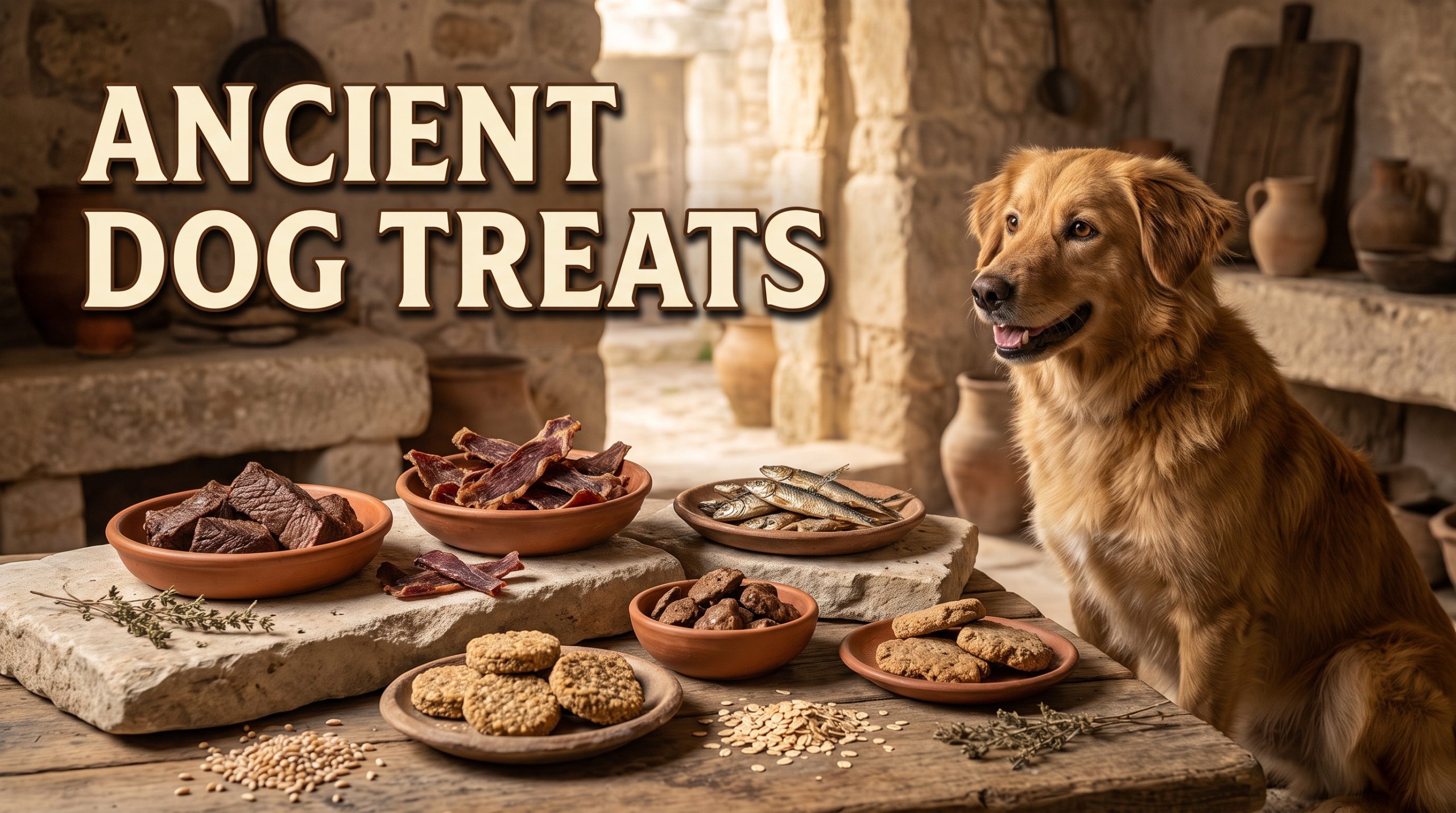
Have you ever wondered what dogs ate thousands of years ago, before commercial dog food, packaged biscuits, and modern pet stores existed? Ancient dogs lived alongside hunters, farmers, fishermen, and royal families, often sharing the same food sources as the people around them.
From leftover roasted meat to simple barley cakes, the foods available to dogs depended on the civilization, climate, and lifestyle of their human companions. Some dogs ate scraps from family meals, while others scavenged around settlements or found food near farms and fishing communities.
Although many ancient foods were never recorded as formal dog treat recipes, historical and archaeological evidence provides fascinating clues about what dogs may have eaten.
In this article, we explore 10 ancient-inspired dog treats, explain their historical connections, and share easy modern recipes you can prepare at home. These recipes are inspired by historical ingredients rather than exact recipes recovered from ancient times.
- Meat Scraps and Leftover Roasts
Historical background
Meat scraps were a natural food source for dogs living close to humans. In ancient civilizations such as Rome and Greece, dogs could obtain leftover food from household meals or scavenge around settlements.
For a dog waiting near a family’s cooking area, a small piece of leftover meat might have been a valuable reward. However, the amount of meat available varied according to the household’s wealth, occupation, and food supply.
Today, you can recreate this simple ancient-inspired treat using plain, freshly cooked meat.
Ingredients
- 100 grams of boneless chicken or lean beef
- Water for boiling
How to make it
- Cut the meat into small pieces.
- Place it in a saucepan with enough water to cover it.
- Boil until the meat is thoroughly cooked.
- Remove the meat and allow it to cool completely.
- Cut it into small, bite-sized pieces suitable for your dog.
Serving suggestion: Offer a few small pieces as an occasional reward. Avoid adding salt, spices, onion, garlic, or sauces.
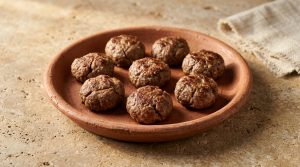
- Marrow-Inspired Meat Bites
Historical background
Animal bones and butchering remains were common around many ancient settlements. Dogs living near human communities could scavenge leftover meat and other edible tissues from these remains.
Although bones are strongly associated with traditional dog feeding, cooked bones can splinter and cause serious injuries. This modern recipe uses boneless meat to capture the flavor of an animal-based treat without the risks associated with feeding bones.
Ingredients
- 100 grams of lean ground beef
- 1 tablespoon of oat flour
- 1 tablespoon of water
How to make it
- Preheat your oven to 175°C (350°F).
- Place the ground beef, oat flour, and water in a bowl.
- Mix until the ingredients form a soft mixture.
- Shape the mixture into small, flat bites.
- Arrange the bites on a lined baking tray.
- Bake for approximately 12–18 minutes, ensuring the meat is thoroughly cooked.
- Allow the bites to cool before serving.
Serving suggestion: Give your dog a small bite or two according to its size and dietary needs. Avoid actual cooked bones and hard marrow bones.
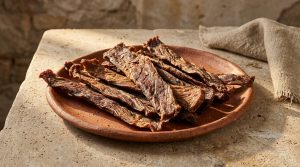
- Ancient-Style Dried Meat Treats
Historical background
Food preservation was essential in ancient societies. Before refrigeration, people used methods such as drying, smoking, and salting to help preserve meat.
Dried meat was convenient for travel and storage, particularly for people who hunted, herded livestock, or traveled long distances. Dogs living alongside these people could have encountered meat scraps and preserved foods, although dried meat was not necessarily a standard treat in every ancient culture.
This recipe offers a simple, modern alternative using plain meat.
Ingredients
- 150 grams of lean beef or chicken
How to make it
- Trim away excess fat from the meat.
- Slice it into thin, evenly sized strips.
- Cook the meat thoroughly using a food-safe method.
- If you want a chewy texture, use a food dehydrator according to its instructions and a validated food-safety process.
- If safe drying conditions cannot be established, serve the meat as fully cooked, soft pieces instead.
- Cool the finished pieces and refrigerate them promptly.
Serving suggestion: Keep the pieces small and supervise your dog while it eats. Homemade meat treats can spoil if they are not properly prepared and stored, so discard any questionable leftovers.

- Ancient Barley and Oat Cakes
Historical background
Grains were important foods in many ancient agricultural communities. Barley and wheat were cultivated in several early civilizations, while bread and other grain-based foods became common parts of human diets.
Dogs living near farming households could eat leftover bread or other cereal-based foods. Archaeological studies also suggest that some ancient dogs consumed substantial quantities of plant-based foods alongside animal products.
These simple biscuits are inspired by the grain foods available in ancient farming communities.
Ingredients
- ½ cup of oat flour
- ¼ cup of barley flour
- ¼ cup of water
- 1 tablespoon of plain pumpkin purée
How to make it
- Preheat the oven to 175°C (350°F).
- Combine the oat flour and barley flour in a mixing bowl.
- Add the pumpkin purée and water.
- Mix until a soft dough forms.
- Roll the dough into a thin layer on a clean surface.
- Cut the dough into small biscuit shapes.
- Place the biscuits on a lined baking tray.
- Bake for 15–20 minutes, checking that they are cooked through.
- Let the biscuits cool completely before serving.
Serving suggestion: Use plain pumpkin without added sugar or spices. Offer small portions and ensure your dog tolerates the ingredients.
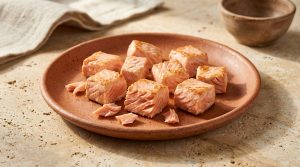
- Ancient-Style Fish Bites
Historical background
Fish was an important food source for communities living near rivers, lakes, and coastlines. Research on ancient dog diets has found evidence that some dogs consumed substantial amounts of aquatic foods, including fish.
For dogs living around fishing settlements, scraps from a freshly caught fish could have provided an additional source of nutrition. Their diets depended heavily on the resources available in their local environment.
This recipe recreates that idea with plain, thoroughly cooked fish.
Ingredients
- 100 grams of salmon or another dog-safe fish
- 1 tablespoon of oat flour, if needed
How to make it
- Cook the fish thoroughly without oil or seasoning.
- Check carefully for bones and remove every one.
- Flake the fish into small pieces.
- Add the oat flour if you prefer a firmer mixture.
- Form small bites and place them on a lined baking tray.
- Bake at 175°C (350°F) for approximately 10 minutes if needed to help the bites set.
- Allow them to cool before serving.
Serving suggestion: Choose fish without added salt, sauces, or seasoning. Refrigerate leftovers promptly and serve only small amounts.

- Ancient-Style Liver Bites
Historical background
Animal butchering produced a variety of edible tissues, including organs such as the liver and heart. Depending on local customs and food availability, some of these ingredients could become food for animals living near human settlements.
Liver is rich in nutrients, but there is limited evidence that it was specifically reserved as a regular dog treat throughout ancient history.
This modern recipe offers an easy way to prepare a small quantity of liver for occasional feeding.
Ingredients
- 75 grams of chicken or beef liver
- ¼ cup of oat flour
- 1 egg
How to make it
- Preheat the oven to 175°C (350°F).
- Finely chop or blend the liver.
- Add the egg and oat flour.
- Mix until the ingredients are evenly combined.
- Spread the mixture in a thin layer on a lined baking tray.
- Bake until completely cooked throughout.
- Let it cool and cut it into tiny pieces.
Serving suggestion: Liver is particularly rich in vitamin A, so these treats should be fed sparingly. Consult your veterinarian if your dog has a medical condition or follows a restricted diet.
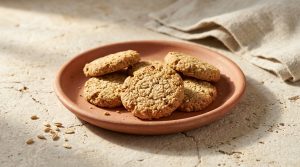
- Ancient-Inspired Dairy and Oat Bites
Historical background
Dairy farming provided ancient communities with milk and other products made from cattle, goats, and sheep. Whey, the liquid remaining after certain cheese-making processes, was another by-product of dairy production.
Historical descriptions of Roman dog feeding include dairy-related foods, although their availability and use varied between households.
For a modern treat inspired by ancient farming life, oats and pumpkin make a simple combination without requiring dairy.
Ingredients
- ½ cup of oat flour
- ¼ cup of plain pumpkin purée
- 1–2 tablespoons of water
How to make it
- Preheat the oven to 175°C (350°F).
- Place the oat flour in a bowl.
- Add the pumpkin purée and mix.
- Add water gradually until a workable dough forms.
- Shape the dough into small, flat biscuits.
- Bake for approximately 15–20 minutes or until cooked through.
- Cool completely before offering the biscuits to your dog.
Serving suggestion: This recipe is inspired by ancient dairy-farming communities rather than a documented whey-based dog treat. Water is a suitable choice for dogs that do not tolerate dairy products.
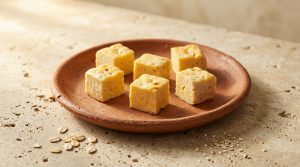
- Ancient-Inspired Egg Bites
Historical background
Eggs have been used as food for thousands of years. In communities that kept domestic birds, eggs could be part of household food supplies, and dogs might occasionally encounter leftover eggs or cooked egg scraps.
However, direct evidence that eggs were routinely prepared as special dog treats in ancient civilizations is limited.
These simple egg bites provide a modern interpretation of a food that may have been available around some ancient farming settlements.
Ingredients
- 1 egg
- 2 tablespoons of oat flour
- 1 tablespoon of water
How to make it
- Preheat the oven to 175°C (350°F).
- Crack the egg into a bowl and beat it.
- Add the oat flour and water.
- Mix until smooth.
- Pour the mixture into a small oven-safe dish.
- Bake until the egg is fully set and cooked throughout.
- Allow it to cool before cutting it into small cubes.
Serving suggestion: Serve plain, without salt, butter, or spices. Introduce egg gradually if your dog has never eaten it before.
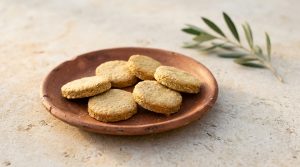
- Ancient Mediterranean-Inspired Biscuits
Historical background
Ancient Mediterranean communities cultivated many foods, including olives, grapes, grains, and other crops. Dogs living near these communities could encounter plant foods through household leftovers or scavenging.
However, the presence of olives in ancient human diets does not establish that olives were a common dog treat. This recipe is inspired by the agricultural setting rather than a historical olive-based dog biscuit.
Ingredients
- ½ cup of oat flour
- ¼ cup of plain pumpkin purée
- 1–2 tablespoons of water
How to make it
- Preheat the oven to 175°C (350°F).
- Combine the oat flour and pumpkin purée.
- Add water gradually until the mixture forms a dough.
- Roll the dough out on a clean surface.
- Cut it into small biscuit shapes.
- Place the biscuits on a lined baking tray.
- Bake for 15–20 minutes, until cooked through.
- Cool completely before serving.
Serving suggestion: Avoid adding olives, olive pits, or salty Mediterranean ingredients. These biscuits are a modern, dog-friendly interpretation of the region’s agricultural food traditions.
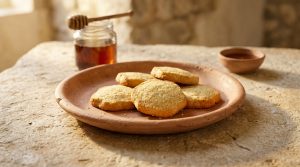
- Ancient-Inspired Honey and Oat Biscuits
Historical background
Honey was valued in several ancient civilizations and used as a sweetener in human foods. It is tempting to imagine ancient dogs receiving honey-flavored snacks, but reliable evidence that honey-sweetened dog treats were a widespread historical practice is limited.
This recipe is therefore a modern creation inspired by an ingredient known to ancient people, not a reconstructed historical recipe.
Ingredients
- ½ cup of oat flour
- ¼ cup of plain pumpkin purée
- 1–2 tablespoons of water
- Optional: ½ teaspoon of honey
How to make it
- Preheat the oven to 175°C (350°F).
- Combine the oat flour and pumpkin purée.
- Add water gradually to form a dough.
- Add the small amount of honey if desired, or omit it completely.
- Shape the dough into tiny biscuits.
- Arrange the biscuits on a lined baking tray.
- Bake for approximately 15–20 minutes, checking that they are cooked through.
- Let them cool fully before serving.
Serving suggestion: Honey is sugary and unnecessary for dogs, so omitting it is a good option. Do not give honey-containing treats to puppies under one year old.
What Did Ancient Dogs Eat Every Day?
Ancient dogs did not follow one universal diet. Their food depended on their surroundings and the activities of the people with whom they lived.
Dogs in agricultural communities could encounter grain foods and household scraps. Dogs living near the coast might consume fish, while those around livestock and hunting settlements could find meat and animal remains.
Archaeological studies of ancient canine diets reveal considerable variation between locations and periods. Some dogs consumed a mixture of animal and plant foods, challenging the common assumption that every ancient dog ate a primarily meat-based diet.
These differences demonstrate how dogs adapted to the food systems and environments of human communities.
Ancient Dog Treats vs. Modern Dog Treats
The difference between ancient and modern dog treats is remarkable. Ancient dogs generally relied on available foods, including scraps from household meals, whereas today’s treats can be designed for training, dental care, enrichment, and specific dietary requirements.
Modern owners also have access to ingredient labels, feeding guidelines, and veterinary advice. These tools make it easier to select appropriate treats and avoid potentially dangerous foods.
Although the ingredients and preparation methods have changed, the relationship between dogs and humans remains an important part of the story.
Are These Ancient-Inspired Treats Safe for Dogs Today?
Historical interest should never replace modern pet-safety guidance. These recipes use selected ingredients that many dogs can tolerate, but individual needs differ.
Follow these basic precautions:
- Keep treats to approximately 10% or less of your dog’s daily calories, with a complete and balanced diet providing the rest.
- Avoid grapes, raisins, chocolate, onions, garlic, xylitol, and cooked bones.
- Introduce unfamiliar foods gradually and watch for digestive upset or allergic reactions.
- Cook meat, fish, and eggs thoroughly, and remove all bones from fish.
- Refrigerate moist homemade treats promptly and discard spoiled leftovers.
- Ask a veterinarian before changing the diet of a dog with medical conditions or special nutritional needs.
Homemade treats should complement a balanced diet rather than replace it.
Final Thoughts: A Taste of History for Your Dog
Ancient dog treats tell a fascinating story about the relationship between humans and their canine companions. From meat scraps and grain foods to fish and dairy by-products, dogs encountered many of the same food sources that shaped human life.
While not every food in this article can be confirmed as a traditional ancient dog treat, each recipe offers a practical modern interpretation inspired by historical ingredients and lifestyles.
The next time your dog eagerly waits for a homemade snack, remember that the connection between people, food, and dogs stretches back thousands of years. The recipes may be different today, but the simple pleasure of rewarding a loyal companion remains timeless.